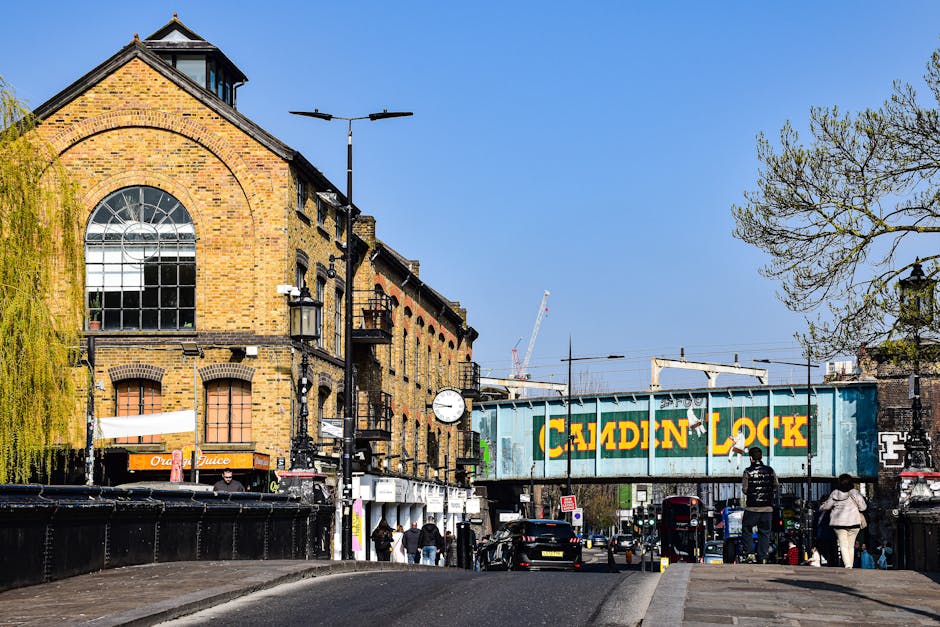
Dalston Junction loading and parking tips for Shacklewell removals
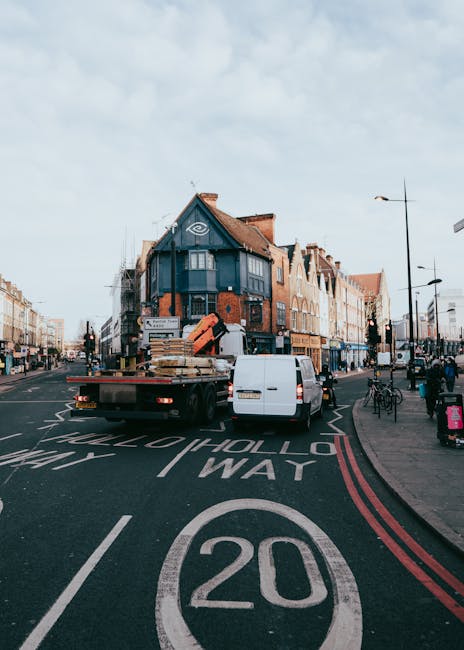
If you are planning a move in and around Shacklewell, the parking side of the day can make or break everything. Dalston Junction loading and parking tips for Shacklewell removals are not just a nice extra; they are the difference between a calm, efficient move and a morning full of circling, blocked access, and awkward delays. In this guide, we will walk through the real-world stuff that matters: where a van can stop, how long loading usually takes, what to do if the street is tight, and how to avoid the little mistakes that turn into big headaches. Truth be told, most moving stress starts at the kerb.
This article is written for anyone moving a flat, house, or office near Dalston Junction and Shacklewell, whether you are booking a full service team or using a man with a van. You will find practical steps, useful checks, compliance notes, and a few street-smart ideas that tend to save time on the day.
Table of Contents
- Why Dalston Junction loading and parking tips for Shacklewell removals Matters
- How Dalston Junction loading and parking tips for Shacklewell removals Works
- Key Benefits and Practical Advantages
- Who This Is For and When It Makes Sense
- Step-by-Step Guidance
- Expert Tips for Better Results
- Common Mistakes to Avoid
- Tools, Resources and Recommendations
- Law, Compliance, Standards, or Best Practice
- Options, Methods, or Comparison Table
- Case Study or Real-World Example
- Practical Checklist
- Conclusion
- Frequently Asked Questions
Why Dalston Junction loading and parking tips for Shacklewell removals Matters
Moving day is usually judged by three things: how quickly the van gets parked, how easily items come out of the property, and whether anything gets damaged in the shuffle. Around Dalston Junction and Shacklewell, all three can be affected by narrow roads, busy traffic, and limited stopping space. That is why loading and parking planning deserves proper attention, not a last-minute glance out of the window.
Shacklewell is one of those London pockets where street layout, resident parking pressure, and everyday traffic can make even a short move feel more complicated than it should. A van that is slightly too large for the space, or arrives at the wrong hour, can end up causing delays you do not want when boxes are already stacked in the hallway and the kettle has gone missing. We have all seen that scene. Not ideal.
Good loading and parking planning matters because it helps you:
- keep the van close to the property entrance
- reduce carrying distance for heavy or fragile items
- avoid blocking traffic or upsetting neighbours
- lower the risk of parking tickets or move-day disputes
- keep the removal crew working steadily rather than waiting around
For many moves, the parking plan is the hidden part of the budget. If you sort it properly, the rest tends to run more smoothly. If not, little delays pile up. A few minutes here, ten minutes there, and suddenly the whole day is running behind. Annoying, but very avoidable.
How Dalston Junction loading and parking tips for Shacklewell removals Works
At its simplest, the process is about making sure a removal vehicle can stop legally and safely near the property for long enough to load or unload. In practice, there are usually a few moving parts: road layout, parking restrictions, time of day, access size, and the type of vehicle being used. A small removal van can often fit into spaces a larger truck simply cannot. That sounds obvious, but on move day obvious things have a habit of being overlooked.
The general workflow for a Shacklewell move near Dalston Junction looks something like this:
- Check the street layout around the property and the likely parking bays or loading points.
- Review any restrictions such as resident-only parking, time limits, pay-and-display rules, yellow lines, or suspended bays.
- Choose the right vehicle size for the property and access conditions.
- Decide the loading order so the crew can work quickly once the van is parked.
- Keep a backup plan if the nearest space is already taken or access is blocked.
In our experience, the best results come when parking is treated as part of the moving plan, not an afterthought. If you are using a man and van or a larger removal service, the size and parking needs of the vehicle should be discussed before the day, not while someone is idling with hazard lights on and a sofa balanced near the front door. It happens.
For people moving from compact terraces, upper-floor flats, or roads with tight access, the best approach is often to keep the stopping location as close as possible to the property while staying legal and considerate. That means thinking about kerb space, corners, busier junctions, and where pedestrians still need to get through. Simple in theory. Less simple at 8:30 on a weekday, with delivery vans everywhere.
Key Benefits and Practical Advantages
When the loading and parking plan is right, you feel the benefits very quickly. The van arrives, space is ready, boxes move out in a tidy flow, and nobody is making improvisation decisions every two minutes. That alone can lower the stress quite a bit.
- Faster loading and unloading: short carrying distances mean less back and forth.
- Reduced damage risk: fewer awkward turns, less time balancing items, fewer drops.
- Better use of labour: the team spends time moving items rather than waiting for a parking space.
- Cleaner communication: everyone knows where the vehicle is stopping and what happens if that spot is taken.
- Lower chance of fines: a plan helps you avoid casual mistakes around restrictions.
There is also a quieter benefit that people often miss: it keeps the whole day feeling controlled. Moving is tiring enough without constant surprises. When parking is sorted, you can focus on the property itself, the keys, the furniture, and the inevitable box marked "misc." That box is always doing the most, somehow.
Expert summary: the best Dalston Junction loading plan is usually the one that prioritises legal stopping, short carry distances, and a realistic loading sequence rather than trying to force the largest vehicle into the nearest space.
Who This Is For and When It Makes Sense
This guidance is useful for a lot of different people, but especially for anyone moving in a busy London neighbourhood with limited kerb space. If your street is narrow, your building has stairs, or your flat opens directly onto the road, parking strategy matters from the start.
It makes sense for:
- home movers shifting from a flat, maisonette, or terrace
- tenants moving in or out with limited time on the day
- small businesses relocating stock or office furniture
- households booking a man with van removal for a smaller load
- larger moves needing a moving van with enough capacity for everything in one or two runs
If you are moving from a property close to Dalston Junction station or on streets that regularly see traffic from nearby routes, you should assume parking will be competitive. Early planning becomes much more useful there than it would in a quieter suburb. And yes, if your move date lands on a day with bad weather, roadworks, or school traffic, the whole thing can feel a bit more dramatic. London likes a plot twist.
It is also worth saying that not every move needs the same level of parking preparation. A ground-floor flat with a front bay is a very different job from a third-floor walk-up with no stopping space nearby. The first may only need a quick check of restrictions. The second may need a proper access strategy, a second pair of hands, or a different vehicle choice.
Step-by-Step Guidance
Below is a practical way to plan Dalston Junction loading and parking tips for Shacklewell removals without overcomplicating the job. Think of it as a move-day checklist with common sense built in.
1. Start with the property, not the van
Before you think about vehicle size, look at the building. Is it a narrow terrace? A top-floor flat? A converted house with a tight front path? These details tell you how far items need to be carried and whether the van can reasonably stop nearby. If the property has awkward stairs or bulky furniture, that should influence your parking choice straight away.
2. Identify the closest legal stopping point
Walk or look around the street and note where the van can legally stop long enough to load. Check for time-restricted bays, resident-only bays, yellow lines, private forecourts, and any signs that matter. If you are not sure, do not assume. Streets around busy parts of Dalston and Shacklewell can change from one side to the other, which is exactly the sort of thing people discover too late.
3. Match the vehicle to the road
Sometimes a smaller van is the smarter choice even if a larger one looks more efficient on paper. A slightly smaller removal van may be easier to park near the door and may save time overall. A bigger vehicle can be useful for volume, but not if it ends up parked half a street away. The carrying distance can wipe out the advantage.
4. Load in the right order
Heavy, stable items should usually go in first, then medium items, then boxes and lighter pieces. Keep essentials accessible if you need them first at the new property. Most crews know this instinctively, but it helps when the loading plan is clear before the first item leaves the building. A simple order saves a lot of shuffling later.
5. Build in a short time buffer
Even a well-planned move can hit a small delay: a parked delivery van, someone reversing out, a lift that is slow, or a neighbour asking a question right when you are carrying a wardrobe. Leave a bit of time in the schedule rather than booking every minute too tightly. One or two spare windows can make the whole day calmer.
6. Keep someone on parking watch if possible
If the street is busy, it helps to have one person keeping an eye on the van space while others carry items. This is especially useful if the road fills up quickly mid-morning. A quick update through phone or voice can save a lot of confusion. Small thing, big impact.
7. Re-check before the crew arrives
Do one final look at the street the morning of the move. Parking situations can change overnight, and a bay that seemed free the day before may not be free anymore. If you spot a problem early, you still have choices. Once the van is on site, choices get slimmer.
Expert Tips for Better Results
A few experienced habits can make a real difference on busy Shacklewell moves. These are the kinds of details people often learn the hard way, then wish they had known earlier.
- Choose the load order before anyone starts carrying. It saves time and reduces the chance of rehandling items.
- Take photos of the parking signs. Handy if there is any dispute or if several people are coordinating separately.
- Protect the route from door to van. A sheet, runner, or simple clear path helps avoid scuffs and mud on wet days.
- Keep one box for immediate essentials. The kettle, chargers, documents, and toilet roll should not vanish into the back of the van.
- Think about neighbours. A polite heads-up can go a long way, especially if access is tight or the move involves a larger vehicle.
One practical observation: the shortest parking option is not always the best if it creates a dangerous bend, blocks a gate, or leaves the crew trying to carry a wardrobe around a corner with pedestrians squeezing by. Slightly less convenient is often far better than slightly reckless. Nobody needs a dramatic sofa-versus-bicycle moment.
If you are booking professional help, ask whether the team is used to local access conditions and whether they can advise on vehicle size. If they also offer home moves or house removals, they will usually have seen the common parking patterns around the area and can help you avoid the most obvious snags.
Common Mistakes to Avoid
Most move-day parking problems come from assumptions. People assume a space will be there, assume the van will fit, assume the loading will only take ten minutes. Then the morning unfolds and reality gently disagrees.
- Assuming the nearest space is legal: always check signs and bay markings.
- Booking the wrong vehicle size: too big can be as awkward as too small.
- Leaving parking until the crew arrives: that usually creates the most stress.
- Forgetting about restricted hours: some streets are easier at certain times of day than others.
- Blocking access while "just for a second": that second can become a complaint or a fine.
- Not planning for bulky items: sofas, beds, and wardrobes need extra thought.
A smaller but very real mistake is forgetting that moving from Shacklewell to elsewhere in London may involve two different parking sets of rules: one at the origin and one at the destination. If either side is difficult, build the day around that. The trick is not speed for its own sake. The trick is smooth movement without chaos.
And yes, somebody always says, "We'll sort parking when the van gets here." That is usually the sentence that ages badly.
Tools, Resources and Recommendations
You do not need a box of fancy equipment to plan a good move, but a few basic tools and resources make things easier.
| Tool or Resource | Why it helps | Best use |
|---|---|---|
| Phone camera | Records parking signs, access points, and any obstructions | Before the move and when the van arrives |
| Measuring tape | Helps estimate whether furniture and van access are realistic | For sofas, beds, and awkward hallways |
| Sticky notes or labels | Speeds up loading and helps place boxes in the right order | During packing and just before loading |
| Protective covers and blankets | Reduce scuffs and damage during short carries | For furniture and high-contact items |
| Move-day contact list | Keeps everyone aligned if parking or access changes | Useful for families, flatmates, or office teams |
As a recommendation, use a removal partner that is familiar with the area and offers a clear quote process. That helps you think beyond the headline price and understand what is included. If you want to compare options, the page on pricing and quotes is a sensible place to start, and it pairs well with a look at removals near me if you are still choosing between local providers.
For people who need help with packing, the right support can also reduce load-day pressure. A well-packed box stack is far easier to manage than a jumble of half-full containers, loose lampshades, and one mysterious bag of cables. We have all been there.
Law, Compliance, Standards, or Best Practice
Parking and loading around London is not just a practical issue; it can also involve local rules, street restrictions, and common-sense duties of care. You should always check the signs in the street, because restrictions can change by bay, by time, and sometimes by day. Do not assume a space is available simply because it looks empty.
For moving day, the main things to keep in mind are:
- Parking restrictions: follow the signs on the street and any bay markings carefully.
- Loading only where permitted: some areas allow short stops for loading, but only under certain conditions.
- Public access and safety: do not block pavements, crossings, gates, or emergency access.
- Property access: if you are working in communal areas, be respectful of building rules and neighbours.
- Safe handling: heavy or awkward items should be lifted and carried in a way that reduces injury risk.
If the move involves tight spaces, stairs, or heavy furniture, professional movers should follow basic health and safety practice, use appropriate lifting techniques, and choose suitable equipment. If you want reassurance on how a company approaches these matters, pages such as health and safety policy and insurance and safety can help you understand the standards they work to.
One more sensible point: if a parking issue could cause a dispute or a fine, do not gamble on guesswork. Check the area, choose the legal option, and if needed plan around a slightly longer carry. That is usually the calmer route, even if it is not the quickest on paper.
Options, Methods, or Comparison Table
Different move types call for different loading and parking approaches. Here is a straightforward comparison to help you decide what makes sense for your situation.
| Approach | Best for | Strengths | Watch-outs |
|---|---|---|---|
| Small van close to the door | Compact flats, light household loads, short distances | Easier parking, quicker access, less street pressure | May need more than one run for larger loads |
| Larger removal van | Full house moves or bulky furniture | Can take more items in one go | Harder to park near tight streets and junctions |
| Pre-planned loading with reserved stopping point | Busy streets and time-sensitive moves | Most controlled and efficient when access is limited | Needs more coordination before the day |
| Flexible carry-and-wait approach | Unpredictable parking or shared access | Useful when spaces open up unpredictably | Can slow the move if no plan exists |
For many Shacklewell jobs, the best method is not the biggest van or the shortest carry at all costs. It is the one that balances legal parking, building access, and the actual volume you need to move. A smart fit beats a bold guess. Every time.
Case Study or Real-World Example
Here is a realistic example from a typical local move. A couple were moving from a second-floor flat near Dalston Junction to a house in Shacklewell. They had a sofa, a bed frame, two wardrobes, several boxes, and a few fragile kitchen items wrapped at the last minute because, well, that is how moves happen.
At first, they wanted the largest van available. It sounded efficient. But after checking the street, it was clear that the tight parking near the property would make a bigger vehicle awkward to place safely. The solution was a slightly smaller van parked closer to the front entrance, plus a clear loading order and an extra 20-minute buffer. That meant a couple of small runs rather than one overambitious one.
The result was calmer than expected. There was less carrying through the street, no frantic reshuffling, and no need to leave one person standing around trying to guard a parking space from the morning traffic. The move still took work, of course. Moves do. But it felt manageable instead of chaotic, and that makes a big difference when you are already saying goodbye to the place.
The takeaway? A move does not need perfect conditions. It needs a sensible plan. The parking plan can be the part that makes everything else easier.
Practical Checklist
Use this checklist a day or two before the move, then give it one final glance on the morning itself.
- Confirm the moving date and arrival window
- Check the exact property access point and nearest legal stopping place
- Look at parking signs and note any loading restrictions
- Decide whether a small van or larger removal vehicle is the better fit
- Measure bulky furniture and doorways if needed
- Label boxes by room and priority
- Keep essential items separate and easy to reach
- Share access details with anyone helping on the day
- Prepare blankets, tape, and basic protective materials
- Have a backup parking option in case the closest space is taken
- Make sure you know who to call if plans change
If you are still deciding whether to handle the move yourself or bring in help, the combination of parking pressure and heavy items often tips the balance. A local team that understands the route, the loading bay constraints, and the typical street layout can save more time than you might expect.
Get a free quote today and see how much you can save.
Conclusion
Dalston Junction loading and parking tips for Shacklewell removals are really about one thing: taking uncertainty out of the move before it starts. When you know where the van can stop, how long loading will take, and what to do if the first plan is blocked, the day becomes much easier to handle. That is true whether you are moving a single flat's worth of belongings or managing a more involved house move.
A little planning goes a long way here. Check the street, choose the right vehicle, keep the route clear, and leave room for the small surprises that London streets love to throw in. If you do that, you give yourself the best chance of a move that feels organised rather than rushed. Not perfect. Just properly managed. And honestly, that is usually enough.
When the boxes are finally stacked and the van door shuts, the relief is real. Take a breath. The hard bit is often just getting the parking right.
Frequently Asked Questions
Do I need to plan parking in advance for a Shacklewell move?
Yes, in most cases you do. In busy local streets, parking can be the difference between a smooth loading process and a delay-filled morning. A quick advance check helps you avoid guesswork and reduces stress on the day.
What size van is best for Dalston Junction area moves?
It depends on the property and road access. A larger van may suit a full house move, but a smaller van can be better if parking is tight or the street is narrow. The right choice is usually the one that balances capacity with access.
Can I use a loading space instead of a regular parking bay?
Sometimes, but only if the signs and local restrictions allow it. Loading spaces can be very useful, yet they are not the same as free parking. Check carefully and do not assume a space is available just because it looks convenient.
How early should the van arrive?
Ideally, the van should arrive early enough to allow for parking and a short loading setup before the main lifting starts. If the street is busy, that buffer is valuable. A slightly early arrival is usually better than a last-minute scramble.
What should I do if someone else takes the parking space I planned to use?
Have a backup option in mind. This could be another legal stopping point nearby or a slightly longer carry route. Good move planning always includes a second choice. Parking reality has a habit of changing at the worst possible time.
Are there risks of fines during loading and unloading?
Yes, if you stop in the wrong place or ignore restrictions. The safest approach is to follow the signs and use only legal stopping points. If there is any doubt, choose the compliant option rather than hoping for the best.
Is a man and van service enough for a Shacklewell removal?
For smaller or simpler moves, yes, it often is. For larger homes or awkward access, you may need a bigger removal setup or extra labour. The best option depends on the amount to move and how easy the parking is.
How can I make loading faster on a busy street?
Label boxes clearly, decide the loading order before the van arrives, and keep the route from the door to the vehicle free of clutter. If possible, have one person watching the parking space while others carry items. Simple things, but they add up.
What if my furniture is bulky or awkward to carry?
Bulky items need a bit more planning. Measure doorways, think about turning space, and place those items in the load order early so they do not block easier boxes later. If something is especially awkward, ask for professional help rather than forcing it.
Should I tell neighbours about the move?
It is usually a good idea, especially if parking will be tight or there may be short-term access disruption. A polite heads-up can reduce tension and sometimes even helps if neighbours move their own vehicles in time.
How do I choose between different removal quotes?
Look beyond the headline price. Check what is included, whether parking or access issues are discussed, and whether the company seems familiar with local conditions. A clearer quote is often better than a cheaper one with hidden stress attached. For more context, see the page on pricing and quotes.
Can packing help with parking and loading problems?
Yes. Better packing means boxes are easier to stack and carry, which speeds up loading and reduces the time the van needs to stay parked. If you want extra help, services like packing and unpacking services can make the whole move feel far less rushed.
Where can I find more local moving advice for Shacklewell?
It helps to look at local guides that deal with access, parking pressure, and street-specific issues. For example, topics such as narrow terraces, parking suspensions, and route planning can all affect your day. The more local detail you have, the fewer surprises you get.