Man With A Van in Shacklewell

Man With A Van Shacklewell is a practical service for moving individual items, part-loads and smaller home or business consignments in a way that suits local collections and straightforward deliveries. It is often chosen when a full removals team would be more than is needed, but the job still calls for care, lifting help and a vehicle sized to the load. Our approach is built around sensible planning, careful handling and clear communication, so customers can arrange the move they need without unnecessary complication.
The service is suited to many everyday tasks, from taking furniture between addresses to moving boxes, appliances or stock to another part of London. We can also support moves that need an extra pair of hands for loading and unloading, especially where access is tight or the items are awkward to carry. If you are comparing options, it is worth thinking about what is being moved, how far it needs to go and whether the job is best handled as a single trip or as part of a larger plan. That simple check often helps you choose the right service first time.
For an accurate quotation, it helps to be clear about item sizes, floor levels, parking access and whether there are any fragile pieces or assembly needs. The most useful requests usually describe the collection point, the delivery point and the kind of load involved, so the work can be matched to the right vehicle and time allowance. You can use the information on this site to narrow down the service you need, then make a straightforward enquiry when you are ready.
House moves handled with care
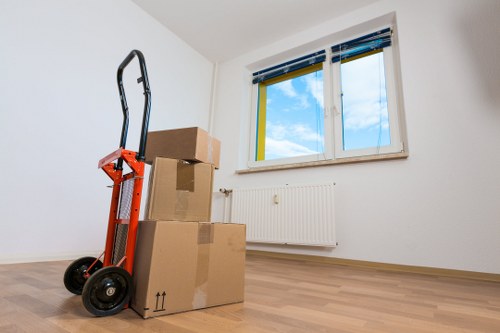
Home moving work can range from a single room or flat to a more involved domestic transfer with furniture, white goods and packed belongings. A man and van arrangement is often a good fit when the customer wants help with lifting and transport, but does not need the scale of a large removals crew. The aim is to move items safely and efficiently, while keeping the process flexible enough to suit smaller households, shared homes and short-notice changes in plan.
When planning a house move, the difference between a smooth day and a stressful one is usually in the detail. Sofas, beds, wardrobes and boxes all travel differently, and access matters just as much as the load itself. Narrow staircases, limited parking, top-floor flats and awkward entrances can all influence how the job is organised. If you are unsure which option is most suitable, a brief description of the items involved will usually make the next step much easier.
The related home-moving pages can help you compare the service shape that fits best, especially if you are deciding between a simpler uplift and a more complete domestic move. You can read about home moves to see how a more general household relocation differs from a smaller, van-based job. For many customers, that distinction is the key to keeping the move proportionate to the amount of furniture being carried.
Furniture, boxes and single-item transport

Not every job needs a full house move. Some customers only need a bulky item collected from a shop, an online purchase delivered safely, or several boxes transferred between addresses. A man with a van service is well suited to these focused tasks because it can be arranged around the actual load, rather than a standardised move size. That makes it useful for people who want one careful journey rather than a larger removals operation.
Furniture transport works best when the item type is identified early. Dining tables, bookcases, beds and wardrobes may all need different handling, and items that come apart can often be moved more easily once disassembled. When items are delicate, heavy or unusually shaped, planning how they will be lifted and secured inside the vehicle matters just as much as the route between addresses. The service is intended to be practical, not rushed, so the load can be protected properly.
If you are comparing the different forms of transport available, it may help to look at the dedicated furniture page as well as the broader van service. You can see furniture pick-up options for single items or selected pieces, particularly where collection and delivery need to be managed carefully. For mixed loads, the wider service pages can then help you decide how much support is appropriate.
Commercial and office removals

Business moves need a service that keeps disruption under control while still dealing properly with equipment, files and furniture. Commercial jobs may involve desks, chairs, storage units, boxed records or stock that needs shifting between premises. A van-based removals service can be a sensible choice for smaller offices, studios, workshops and other workplaces where the volume is manageable but the handling requirements still call for organisation and care.
Office removals often depend on sequencing as much as lifting. It can help to decide which items travel first, which should remain accessible until the last moment and whether any objects need special attention because they are heavy, fragile or awkwardly connected. Where the move includes furniture, computers or other work items, the aim is to keep the job orderly and reduce unnecessary handling. Clear labelling and grouped packing can make a real difference to how quickly the load is settled at the other end.
For a broader view of business relocation support, the dedicated office pages give a useful indication of how these jobs are approached. You can explore office relocation services if your move involves several rooms, a change of layout or a staged transfer between locations. That can be especially helpful when you want a service that matches the scale of the workplace rather than treating it as a generic delivery.
Planning, access and what to include in a quote

A good quotation starts with useful facts rather than long explanations. The main things to mention are the collection and delivery postcodes, a list of the larger items, any obvious access restrictions and whether there are stairs, lifts or parking considerations. If the job includes packing assistance or help moving items from more than one room, that should be included too. Accuracy at the beginning usually gives a better match to the work than estimates based on guesswork.
It also helps to think about the shape of the load. A van carrying several light boxes behaves differently from one carrying a sofa, bed base and cabinet, and that can affect how the items are loaded and secured. If there are fragile belongings, mention them alongside any items that need dismantling or careful wrapping. You do not need to overcomplicate the request; a concise summary is often enough for a sensible price to be prepared. When you are ready to compare options, look at pricing and quotes for the next step.
For jobs that are likely to need extra handling, a written list is often more useful than a vague description of the property size. You can include the number of rooms involved, the approximate size of the larger items and whether any pieces are going to storage, another home or a workplace. That way, the move can be scoped as a practical transport task rather than an imprecise estimate, which tends to benefit everyone involved.
Common moving tasks we can support
Van-based removals suit many routine moving tasks, particularly where the load is too much for a car but not enough to justify a large removals vehicle. Customers often use the service for local furniture moves, student belongings, apartment transfers, small business deliveries and collections that need a careful hand. The practical advantage is flexibility: the vehicle and the loading support can be matched to the job, rather than forcing the job to fit a fixed package.
If your move includes packing help, the work becomes easier to organise when the boxes are ready by room or by destination. That is not essential for every job, but it can make loading more efficient and can reduce the time spent sorting mixed items on the day. Keep fragile pieces clearly identified, and think about whether anything needs dismantling before transport. Those simple steps help the moving plan stay focused on the actual load rather than on avoidable complications.
For related services and wider transport options, you can view removal services to compare the broader choices available. If you are still deciding between a smaller van job and a more conventional removal arrangement, that page gives a helpful starting point for understanding how the service is structured.
About Shacklewell
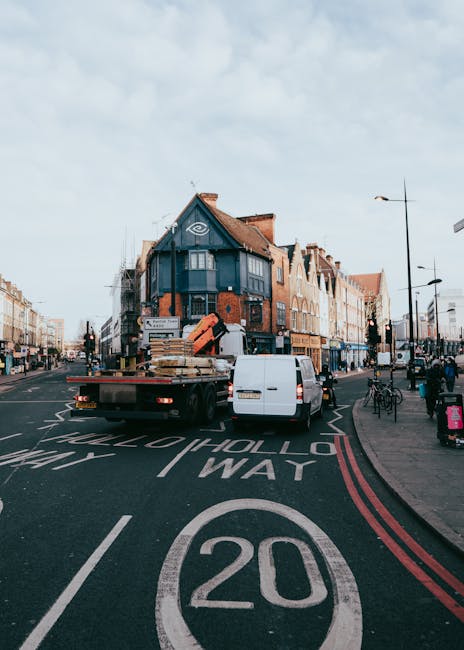
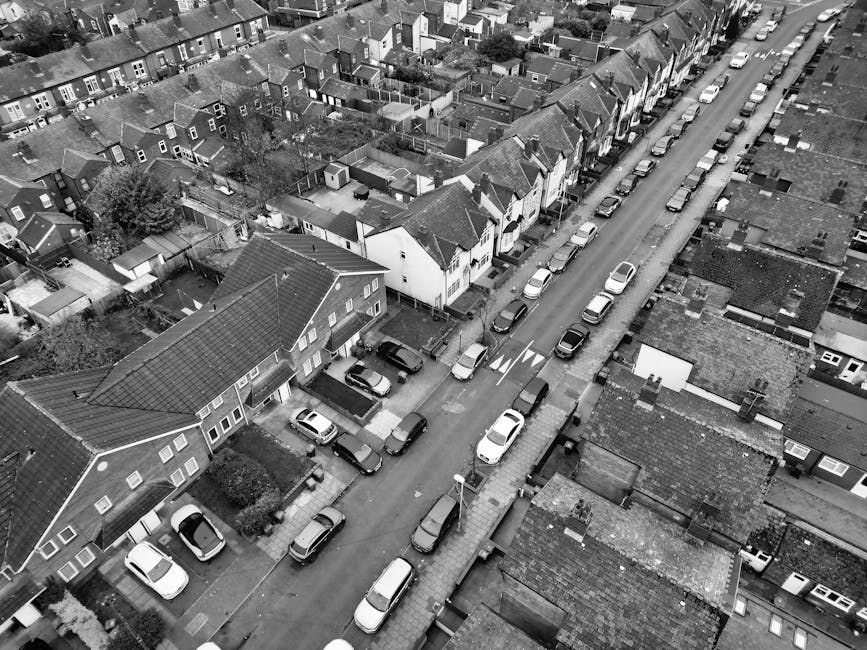
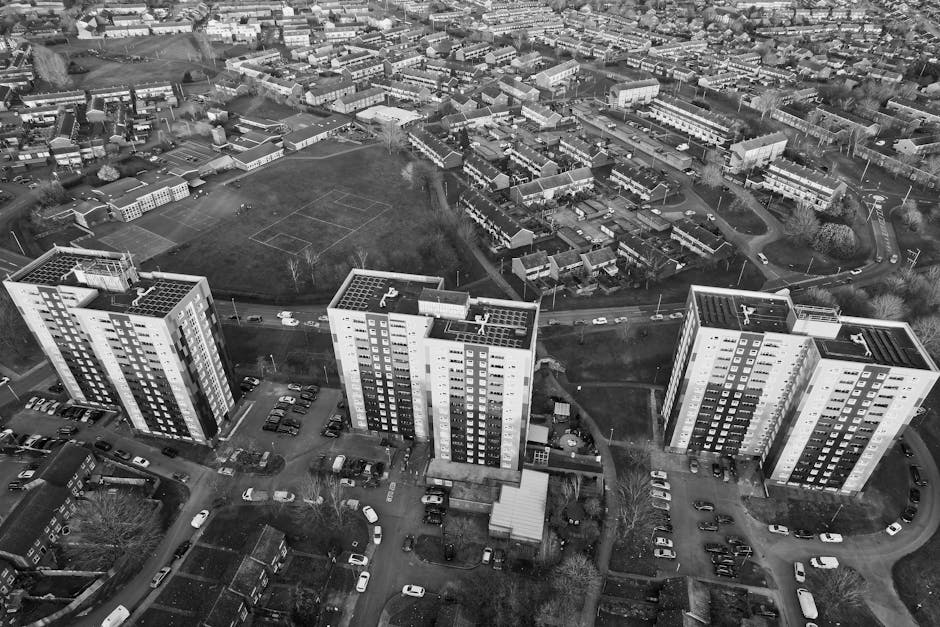
Shacklewell is an area of north-east London within the London Borough of Hackney, closely associated with the wider Dalston and Stoke Newington district. Its name is thought to derive from a medieval settlement recorded in earlier forms such as Shackelwell or Schakelwell, with the “well†element reflecting a spring or water source. Over time the district changed from a rural place outside the old City’s core into a dense urban neighbourhood shaped by nineteenth-century street development, rail connections and the gradual spread of terraces, workshops and local shops. Today it sits within one of Hackney’s more mixed residential landscapes, where small streets meet larger roads and a varied pattern of housing remains visible. Shacklewell is also known for its proximity to several well-used open spaces and cultural routes across inner north London. The nearby Clissold Park and London Fields are important green spaces for the wider district, while the Regent’s Canal and the network of local streets connect the area to neighbouring parts of Hackney and beyond. Architecture in and around Shacklewell reflects repeated phases of rebuilding and adaptation, from older terraces to later infill and converted buildings. The area’s character is further shaped by nearby community venues, places of worship, independent businesses and long-established residential streets, all of which give it a distinctly urban but locally varied identity. Although the boundaries of Shacklewell are sometimes discussed alongside adjoining neighbourhoods, the name remains part of Hackney’s everyday geography and continues to appear in local addresses, maps and descriptions of north-east London.
Heavy, awkward or specialist items
Some removals are less about volume and more about handling. Pianos, exercise equipment, large cabinets and other awkward pieces need more than a simple carry from one address to another. The van service is best suited to these jobs when the item can be moved safely with the right lifting approach, space in the vehicle and sensible protection during transit. Care is especially important where the object has weight concentrated in one area or where surfaces could mark easily.
Where an item is difficult to manoeuvre, it is useful to consider door widths, stair turns and the route from the property to the vehicle. That allows the move to be planned around the real constraints of the building rather than around assumptions. In some cases, dismantling a piece before transport can make the job easier, while in others it is better left intact. The right choice depends on the item, the access and the desired condition on arrival.
If your job is specifically about a larger piece of furniture, the dedicated collection page may be the closest match. You can see furniture pick-up options again if you are weighing up the handling needed for a particular item. For mixed loads, the same careful thinking applies: item type, access and destination all help determine the most suitable moving arrangement.
Packing, preparation and loading
Packing support can be valuable when boxes need to be made ready quickly or when items are being grouped for a house, office or storage move. Good packing is not about filling every box as tightly as possible; it is about protecting the contents and keeping the load balanced. Heavier items usually need smaller cartons, while lighter or softer items can be arranged differently. If the move contains a mixture of household and business belongings, separating those groups early often makes the rest of the process simpler.
Loading works best when the largest or sturdiest pieces are placed first and the more delicate items are protected and restrained properly. Blankets, straps and careful stacking are part of that process, but the essentials are organisation and attention to the shape of the load. A well-prepared van move should feel measured rather than improvised. That is why it helps to have a clear idea of what is going, what needs protecting and what can be handled in one trip.
For customers who want broader support with wrapping and box preparation, the packing page gives a helpful overview. You can read about packing and unpacking services if your move needs more than transport alone. It is a useful option where the focus is on reducing handling at each end as well as making the journey itself straightforward.
Choosing the right removal option
Not every customer needs the same level of help, and choosing the right service usually comes down to the size of the load, the distance involved and the amount of assistance required on the day. A smaller van job is often suitable for single items, part-loads and local transfers, while larger home or office moves may need a broader removals service. The best choice is the one that matches the work cleanly, without forcing extra cost or unnecessary capacity into the plan.
If you are comparing different approaches, it can help to think about how the move would be completed in practice. Would the items fit in one vehicle? Would they need two people to lift safely? Is there furniture to dismantle, or packing that must be done first? These questions are more useful than simply counting rooms or guessing at a general size. They point towards the service that is most likely to suit the real job.
When the move is likely to span several destinations or needs more substantial support, you may want to consider man with van removal as a slightly broader option. It can be a helpful middle ground between a one-off collection and a more extensive removals arrangement.
Final checks before you enquire
Before sending an enquiry, it is sensible to check that the address details, item list and access notes are all in the same message. That keeps the request simple to review and reduces back-and-forth later. If there is parking pressure, limited loading time or a need for special handling, mention it clearly rather than leaving it to be discovered on the day. A small amount of preparation can make the quotation process more precise and the move easier to organise.
You can also decide whether you want help with loading only, unloading only, or the full journey between addresses. For some customers, that distinction matters as much as the items themselves. It is equally useful to say whether the move is domestic, commercial or a mix of both, because mixed loads often need a slightly different approach. If you are ready to discuss the job, contact us for a quote and include the key details in your message.
Speak to us when you are ready, and keep the request focused on the items, the location and the service you need. That is usually enough to begin a clear quotation and help you move from planning to booking without unnecessary delay.