Moving From Shacklewell Park Estate? Local Van Tips for a Smoother Local Move
If you're moving from Shacklewell Park Estate, the best van plan is usually the one that looks simple on paper and still holds up when you're carrying boxes down the stairs at 8:15 on a damp London morning. A local move can feel straightforward, but the details matter: access, parking, loading order, fragile items, timing, and whether you've got enough space in the van for that awkward table you swore would be easy. Truth be told, the difference between a calm move and a messy one is often a handful of smart decisions made before the van even arrives.
This guide brings together practical local van tips for estate moves, flat moves, short-notice removals, and the kind of tight London loading jobs where a little planning saves a lot of stress. You'll find advice on choosing the right vehicle, avoiding common mistakes, protecting furniture, and deciding when a professional man with a van in Shacklewell service is the better call. If you want a move that feels organised rather than chaotic, start here.
Quick takeaway: for estate moves, the best results usually come from reducing volume, planning access, packing by room, and matching the van size to the job instead of guessing. Small move, big difference.
Why Moving From Shacklewell Park Estate? Local van tips Matters
Estate moves are rarely difficult because of one big problem. More often, it's a chain of small ones: a lift that's busy, a hallway that's tighter than you remembered, a sofa that needs turning twice, and a van parked just a bit too far away. That's why local van tips matter so much. They help you shape the move around the realities of Shacklewell, rather than hoping the day will somehow sort itself out.
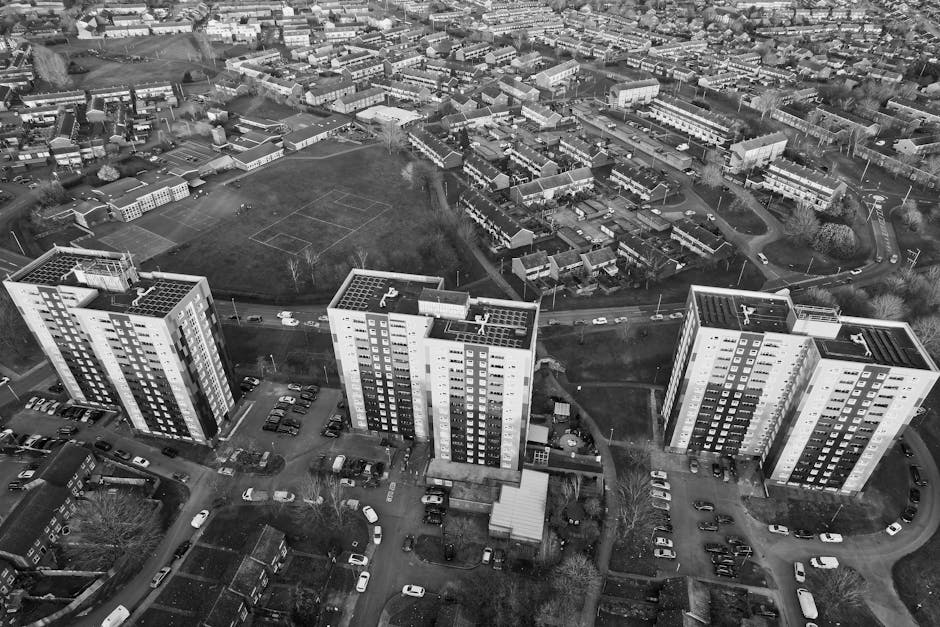
Shacklewell Park Estate sits within a part of London where you often have to think about shared access, nearby traffic, and practical loading space. If you're moving out of a flat, student room, or compact house, your move will probably benefit from a service that understands local conditions. A reliable removal van in Shacklewell is not just about transport. It's about timing, access, and the ability to get in and out without turning the whole day into a standstill.
There's also the simple matter of protecting your belongings. A short local journey can still damage a mattress, scratch a wardrobe, or crack a freezer drawer if items are stacked badly or not secured. For larger or awkward pieces, planning ahead is far better than trying to improvise on the kerb. To be fair, a move is one of those jobs where the "it'll be fine" approach can get expensive very quickly.
If you want more background on the team behind the service, it can help to read the company's about us page before you book. Trust matters when someone is handling your home contents, especially on a moving day when you really don't have the energy to chase details.
How Moving From Shacklewell Park Estate? Local van tips Works
At its core, a local van move works best when three things line up: the van size, the loading plan, and the route between the property and the destination. If one of those is off, the whole process gets slower. If all three are right, you usually get a move that feels surprisingly smooth. Not glamorous, but smooth.
Here's the general rhythm of a well-run local move:
- Pre-move assessment: You work out what's going, what's staying, and what needs special care.
- Access check: You think through stairs, lifts, parking, door widths, and the distance from front door to vehicle.
- Packing and wrapping: Boxes are sealed, fragile items protected, and furniture prepared for loading.
- Vehicle selection: The van is sized to suit the amount and type of items, not just the cheapest option.
- Loading strategy: Heavy items go in first, fragile items are secured, and loose gaps are filled safely.
- Transport and unloading: Items are delivered in a logical order so you can start settling in quickly.
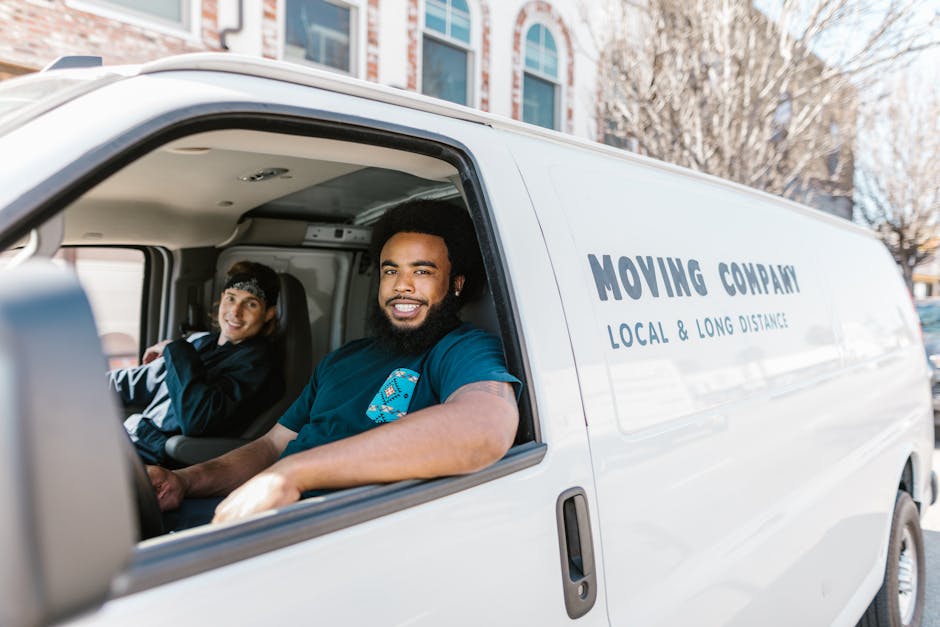
When people talk about a "man and van" move, they sometimes picture a quick lift-and-go job. Sometimes it is. But the better operators treat it like a carefully managed service. If you're comparing options, it's worth looking at the full services overview so you understand what support is available beyond just the vehicle.
One more thing: local knowledge can save time in a way maps apps never quite manage. Knowing which streets are awkward at school-run time, where loading is easier, and how long a hand-carry is likely to take - that's the kind of detail that quietly keeps the day on track.
Key Benefits and Practical Advantages
People usually book a local van because it's practical and cost-aware, but the real advantages go a bit deeper than that. A good local move gives you control. It lets you match the service to the size of the job instead of paying for more than you need. And in London, that matters.
- Better flexibility: A local van can often work around your schedule more easily than a larger, rigid removal setup.
- Lower waste: Smaller loads are easier to pack properly, so there's less empty space and less risk of items moving around.
- Faster turnaround: For same-neighbourhood or nearby moves, a van service can often complete the job in a shorter window.
- More suitable for flats: Compact homes, student accommodation, and estate flats often don't need a huge lorry.
- Less lifting chaos: With the right plan, you reduce repeated carrying and awkward reshuffling.
The practical benefit most people notice first is peace of mind. Once you've got the van booked, the route planned, and the boxes labelled, the move starts to feel manageable. Still a bit stressful, let's be honest, but manageable.
If your move includes bulky furniture or delicate items, using dedicated services such as furniture removals in Shacklewell can reduce the risk of damage and save you from trying to muscle a wardrobe through a narrow landing. For homes rather than single-item jobs, house removals in Shacklewell may be the more suitable route.
Who This Is For and When It Makes Sense
This kind of move is a good fit for anyone leaving Shacklewell Park Estate who needs practical transport without unnecessary complexity. That includes one-bedroom flats, shared homes, student rooms, compact family properties, and people moving a short distance across East and North London.
It also makes sense if you're in one of these situations:
- You've already packed most things and just need the transport.
- You're moving a few large pieces rather than a whole household.
- You've got access constraints and need a van that can load quickly.
- You're moving on a tight timeline.
- You want help with lifting but don't need a full-scale removals crew.
Some moves are almost tailor-made for a local van. A student moving out at the end of term, for example, often has a mix of books, boxes, a desk, a chair, and a surprising number of small items that don't fit neatly in the back seat of a car. If that sounds familiar, student removals in Shacklewell can be a sensible option.
On the other hand, if you have a piano, a large American-style fridge, or anything unusually heavy, it's better to be careful than brave. There's no prize for lifting the wrong thing alone. None at all.
Step-by-Step Guidance
Here's a straightforward process you can follow to make the move easier. You do not need to do everything perfectly. Just do the important things well.
1. Start with a ruthless sort-out
Before you book anything, go through each room and decide what's going, what's being stored, and what can be recycled or donated. Even one or two fewer boxes makes a real difference in a flat move. If you want a practical push on this, the guide on decluttering for an easier relocation is a useful read.
2. Measure the awkward bits
Measure larger items like sofas, beds, wardrobes, and appliances. Then measure doorways, stair bends, and the lift if there is one. That bit sounds obvious, but it's often skipped. And then people are standing in the hall at half past nine wondering why the sofa has become a geometry problem.
3. Pack by room and by weight
Keep room contents together where possible, and don't overload boxes with books or kitchenware. Heavier items belong in smaller boxes; lighter bedding can fill bigger ones. If you want a more detailed approach, expert packing tips can help you make better decisions before moving day.
4. Protect the furniture that scratches easily
Wrap table legs, secure drawers, and use blankets or padding on corners. Sofas, beds, and headboards all benefit from a bit of extra care. For example, a sofa that looks sturdy can still pick up marks at the arms or base if it slides against a wall. The article on sofa care and protection gives a good sense of how little mistakes add up.
5. Decide what stays with you
Keep a small bag or box for keys, phone charger, documents, snacks, medication, and anything you'll want within arm's reach. This is one of those tiny move-day choices that feels minor until you need your charger, and it has vanished into a box labelled "misc".
6. Load in a sensible order
Heavy items should usually go in first and be placed securely. Fragile pieces come later, but only once the base load is stable. Gaps should be filled carefully so nothing shifts during transit. If there's a freezer involved, there are specific storage and preparation steps worth following, including the guidance in how to store a freezer properly.
7. Unload in the order you need things
At the destination, place beds, kitchen boxes, and essential furniture first. It's usually better to get the practical stuff settled before you start hunting for photo frames or spare cables. Start with function, then finish with the nice bits later.
Expert Tips for Better Results
The best local van moves are usually won in the preparation stage. That's the boring answer, but it's the true one. A few hours of careful prep can save you half a day of faffing around later.
- Book the van with a realistic buffer: A move that should take two hours often takes longer once stairs, traffic, and loading are included.
- Use proper packing materials: Strong tape, sturdy boxes, furniture blankets, and stretch wrap matter more than people think.
- Keep pathways clear: Hallways cluttered with bags, bin liners, and tools slow everything down and increase trip risk.
- Label by destination room and priority: "Kitchen - first open" is more useful than "Kitchen stuff".
- Take photos of cable setups and furniture assembly: A quick phone picture can save you an annoying amount of guesswork later.
- Check parking and access in advance: A van parked close to the entrance may cut your loading time dramatically.
If you've got something especially delicate, it's usually wise to bring in the right specialist support. A piano, for example, is not a casual lift. The dedicated piano removals in Shacklewell page is worth a look if that's on your inventory. Same logic for mattresses: the right approach to bed and mattress relocation makes a huge difference to hygiene and handling.
A small local aside: if the weather turns and the pavement is wet, cardboard can soften quicker than you'd expect. Not dramatic, just annoying. So keep boxes off damp ground where you can. It's one of those little London move-day realities that people only learn once.
Common Mistakes to Avoid
Most moving mistakes are understandable. People are busy, tired, and trying to get the whole thing done without living in cardboard for a week. Still, a few errors come up over and over.
- Choosing a van that is too small: This creates extra trips, extra lifting, and extra cost.
- Leaving packing too late: Late packing leads to rushed decisions, poor labelling, and damaged items.
- Ignoring access constraints: A short distance from van to flat can still be exhausting if the route is awkward.
- Overloading boxes: Heavy boxes are harder to carry and more likely to split.
- Failing to secure items in transit: Even a local journey can jolt loose objects around.
- Forgetting to separate essentials: Keys, documents, and chargers should never disappear into the load.
One common issue is underestimating how much time the loading and unloading stages take. The drive may only be fifteen or twenty minutes, but the carrying can take far longer. That's why services like same-day removals in Shacklewell can be useful when timing is tight, as long as you still prepare properly.
Another mistake? Thinking all moves are equal. A first-floor flat move with a narrow staircase is a very different animal from a ground-floor pickup. A very different animal, honestly.
Tools, Resources and Recommendations
You don't need a warehouse full of equipment to move well. A modest set of practical tools usually does the job. The aim is to reduce friction, protect your belongings, and make lifting safer.
| Tool / Resource | What it helps with | Why it matters |
|---|---|---|
| Strong cardboard boxes | General packing | Prevents box failure and keeps items organised |
| Packing tape | Sealing boxes | Stops boxes opening during transit |
| Furniture blankets | Protecting surfaces | Reduces scratches and dents on furniture |
| Stretch wrap | Securing loose parts | Keeps drawers, doors, and cables in place |
| Dolly or sack truck | Moving heavier items | Reduces strain and improves control |
| Labels and marker pens | Room identification | Makes unloading faster and less stressful |
| Reusable storage options | Items not moving immediately | Useful if you need temporary holding space |
For those still packing, the local packing and boxes in Shacklewell service page can be helpful for understanding what materials and support may be available. If you already know you'll need somewhere to keep a few items for a while, storage in Shacklewell is also worth considering.
And if you're comparing moving providers, don't just look at the headline service. Check whether they explain insurance, handling approach, and what happens if there's a delay. Those practical details tell you a lot.
Law, Compliance, Standards, or Best Practice
For a local house or flat move, the main compliance focus is usually safety, property care, and sensible transport practice. You do not need to turn the job into a legal project, but a few best-practice points are worth keeping in mind.
- Insurance awareness: Ask what cover applies to your move, what is included, and what items may need special handling.
- Safe lifting: Heavy or awkward items should be lifted with correct technique or by trained help. If you're unsure, don't guess.
- Property access rules: Respect building rules, lift capacity, and shared space etiquette in estates and apartment blocks.
- Parking and loading restrictions: Make sure the vehicle can stop legally and safely near the property.
- Risk reduction: Keep pathways clear, secure loose items, and avoid overloading boxes or vehicles.
If your move involves lifting furniture or appliances, the safest choice is often to use a team that understands handling standards and has the right equipment. The insurance and safety information can help you ask better questions before booking. You can also review the broader health and safety policy if you want reassurance about working practices.
On a practical level, the standard is simple: nothing should be rushed just to shave off a few minutes. That's where accidents happen. And nobody wants to spend moving day explaining a scratched wall or a strained back.
Options, Methods, or Comparison Table
Choosing the right moving method depends on how much you're moving, how awkward the items are, and how much time and energy you want to spend on the day. Here's a simple comparison.
| Method | Best for | Pros | Watch-outs |
|---|---|---|---|
| Self-move with a hired van | Very small loads and flexible schedules | Cost control, full control over timing | Heavy lifting, parking stress, more physical effort |
| Man and van service | Flat moves, student moves, medium loads | Balanced cost and support, easier lifting | Requires good booking information and packing prep |
| Full removals service | Households with more items or delicate furniture | More hands, more structure, less manual work for you | Usually more involved to arrange |
| Same-day van support | Urgent moves or short-notice changes | Fast response, practical for last-minute needs | Availability can be limited, prep must still be solid |
For many people leaving Shacklewell Park Estate, the middle option is the sweet spot. It gives enough help without paying for a large operation you don't need. If you're leaning that way, man and van in Shacklewell is a natural place to look next. If it's a full property move, removals in Shacklewell may make more sense.
Case Study or Real-World Example
Imagine a typical move from Shacklewell Park Estate: a one-bedroom flat, two flights of stairs, one compact sofa, a bed frame, a mattress, six medium boxes, a kitchen trolley, and a freezer that needs careful handling. Not huge, but enough to become awkward if the plan is loose.
In that sort of move, the smartest approach is usually to split the work into three stages. First, the owner declutters and packs non-essentials a few days in advance. Second, the van arrival is timed to avoid busy access periods, and the heaviest items are placed nearest the exit. Third, the move team loads the large furniture first and keeps the essential box for bedding, chargers, and kettle access separate so the first night is easy.
The difference is noticeable. Instead of scrambling for bits and pieces after a long day, the new place starts to feel liveable much sooner. That matters more than people expect. A move is physical, yes, but it's also emotional. Having your bed, kettle, and basic kitchen stuff ready can turn a stressful evening into a decent one.
In a real local job like that, the team's familiarity with the area can help avoid delays, especially if the estate access is tighter than standard street parking would suggest. For more complex property moves, flat removals in Shacklewell may be the more fitting service, especially where stairs and shared entrances play a role.
Practical Checklist
Use this checklist a day or two before moving out. It's simple, but it catches a lot.
- Confirm the moving date and arrival window.
- Check van size against your largest items.
- Measure doorways, stair bends, and lift access.
- Label every box by room and priority.
- Pack a first-night essentials bag.
- Wrap and protect furniture edges and fragile surfaces.
- Set aside tools for dismantling and reassembly.
- Keep documents, keys, and chargers on you.
- Check parking and loading access near both addresses.
- Separate anything needing specialist handling, such as pianos or freezers.
- Make sure bins, walkways, and entrances are clear.
- Tell the mover about awkward items before move day, not during it.
If your move includes a specialty item, don't leave that decision until the last minute. A quick call or enquiry can save a lot of sideways thinking later. And if you need to speak to someone directly, the easiest next step is the contact page.
Conclusion
Moving from Shacklewell Park Estate does not have to feel like a rush of boxes, tape, and crossed fingers. With the right van size, thoughtful packing, sensible access planning, and a bit of local knowledge, the whole thing becomes much more manageable. You don't need perfection. You need a good plan, a realistic timeline, and the right help for the awkward bits.
The main idea is simple: keep the move local, keep it organised, and keep heavy lifting under control. Whether you're shifting a few key pieces or a whole flat's worth of belongings, the right approach will save time, reduce damage risk, and make the first day in your new place far calmer. Small win, but a real one.
Get a free quote today and see how much you can save.
If you're ready to make the move feel easier, choose a team that understands local routes, tight access, and the everyday realities of London removals. That's usually where the real value sits.
Frequently Asked Questions
What size van do I need for moving from Shacklewell Park Estate?
It depends on how much you're moving and whether you have bulky furniture. A small van may suit a few boxes and light items, while a medium van is often better for a flat move. If in doubt, give the mover a detailed list with rough measurements.
Is a man and van service enough for a flat move?
Often, yes. For one-bedroom flats, studio moves, and small households, a man and van service is usually a practical fit. If you have several large items or fragile furniture, ask whether extra help or a larger vehicle is recommended.
How far in advance should I book a local van?
As early as you reasonably can, especially if you're moving at the end of the month, on a weekend, or during term-time. Local jobs can sometimes be arranged quickly, but earlier booking gives you more choice and less stress.
What should I pack separately on moving day?
Keep essentials with you: keys, phone charger, medication, documents, water, snacks, and any basic toiletries or overnight items. A small bag for these things saves a lot of rummaging later.
Can I move a freezer or fridge with a van service?
Yes, but it should be handled carefully and prepared correctly. Refrigeration units need proper cleaning, safe transport, and appropriate storage guidance. If you're unsure, use specialist advice before the move.
Do I need to dismantle my bed before the move?
Usually, yes, if it won't fit safely through doorways or stairwells in one piece. Dismantling also makes lifting easier and reduces the chance of damage. Keep screws and fittings in a labelled bag.
How can I avoid damaging my sofa during a move?
Protect corners and arms, remove loose cushions, secure moving parts, and avoid dragging the sofa across floors. A good wrap and careful carrying route make a bigger difference than most people expect.
What if parking is difficult outside the estate?
Let the mover know in advance. Parking and loading access can affect timing, vehicle choice, and how many trips are needed. Local knowledge helps here, but it's still best to flag any concerns early.
Is same-day removals possible in Shacklewell?
Sometimes, yes. Availability depends on the time of request, load size, and schedule. Same-day support is helpful for urgent situations, but you'll still get better results if your items are already packed and ready.
How do I know whether I need storage as well as a van?
If your new place is not ready, you're downsizing, or you need to move in phases, storage can be a very sensible addition. It gives you flexibility and stops you forcing everything into a space that isn't ready yet.
What makes a local Shacklewell mover better than a general one?
Local experience can help with route planning, access, parking, and realistic timing. A mover who knows the area is often better placed to spot likely delays before they become problems.
Where can I find more details about safety, pricing, and service terms?
Check the relevant support pages before booking. Useful places to start include pricing and quotes, terms and conditions, and insurance and safety. That way, you know what to expect before move day arrives.