Shacklewell removals for narrow terraces on Shacklewell Lane: a practical guide to moving well in tight spaces
If you are planning Shacklewell removals for narrow terraces on Shacklewell Lane, you already know the tricky bit is not just the boxes. It is the stairs, the parked cars, the awkward front doors, the lack of turning space, and that one sofa which somehow grows wider the moment you try to take it out. Narrow London terraces can make a simple move feel suddenly complicated, but with the right planning it becomes far more manageable.
This guide breaks down how terrace moves work in Shacklewell, what to prepare before moving day, how removal teams handle tight access, and where people often get caught out. If you want a move that feels organised rather than rushed, you are in the right place. A little structure goes a long way here, honestly.
Why Shacklewell removals for narrow terraces on Shacklewell Lane Matters
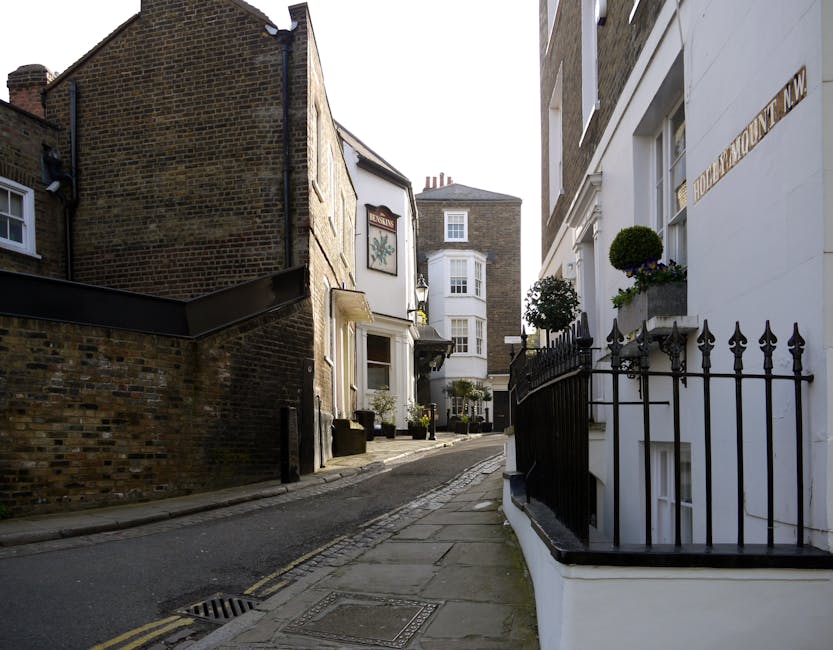
Terraced homes on and around Shacklewell Lane often come with the kind of access issues that do not show up on a floorplan. The street layout may be busy, front pavements can be tight, and the actual route from front room to vehicle may include stairs, hallway bends, a narrow doorstep, and very little room to stage furniture. In practical terms, that means every extra metre matters.
For many moves, the challenge is not the distance between addresses. It is the friction inside and outside the property. A removal van may not be able to park directly outside. Two movers might need to rotate a wardrobe through a stairwell at just the right angle. Packing may need to be done with the exit route in mind, not just the destination. That is where a proper plan, and a team used to London terrace removals, really earns its keep.
Truth be told, narrow terrace moves are often where less experienced crews slow down or improvise badly. That can mean delays, scuffed walls, stressed neighbours, or items being carried in a way that is simply not ideal. A thoughtful approach reduces all of that. It also helps you avoid the kind of day that starts with optimism and ends with everyone standing on the pavement wondering where the Allen key went.
Expert summary: The best narrow-terrace removals are won before the van arrives. Accurate access information, sensible packing, and a vehicle sized for the street usually matter more than brute force.
If you are comparing providers, it helps to look at the wider support they offer too. Pages such as removal services, man and van, and house removals give a clearer picture of the kind of moving support available for homes like these. For smaller or more flexible moves, a moving van can be a better fit than a larger truck.
How Shacklewell removals for narrow terraces on Shacklewell Lane Works
The process usually starts with access planning. That sounds basic, but it is the bit that saves the most time. A good removal team will want to know where the property sits, how many steps lead to the front door, whether there is rear access, what the parking situation is like, and whether large items can be dismantled before move day. In narrow terraces, those details are not optional.
From there, the move is usually shaped around the property rather than the other way around. Items are often staged near the exit in the order they will leave the house. Lightweight boxes go first, then awkward furniture, then anything fragile or high-value. When the layout is tight, it helps to keep circulation clear so people are not stepping over each other in the hallway. It sounds obvious, but the obvious things get forgotten under pressure.
A vehicle choice also matters. On some Shacklewell Lane streets, a smaller van is easier to position and quicker to load than a larger removal truck. That does not always mean giving up capacity; it may simply mean doing one more careful trip, which can still be the smarter option if it avoids a parking headache. Many households benefit from a flexible man with a van approach, especially where access is tight and timing matters.
In a typical terrace move, the workflow looks something like this:
- Pre-move survey or access discussion.
- Packing and labelling by room, priority, and fragility.
- Protective wrapping for furniture, doors, and corners.
- Timed arrival of the vehicle to match parking conditions.
- Careful loading from the shortest, safest route.
- Transport, unloading, and room-by-room placement.
That sequence keeps the move calm. Not fancy. Just calm. And calm is underrated on moving day.
Key Benefits and Practical Advantages
The biggest benefit of a specialist terrace move is control. When the property is narrow, control matters more than speed. Yes, you still want an efficient move, but the real win is avoiding damage, wasted effort, and repeated lifting through tight spaces.
There is also a clear benefit in using the right-sized vehicle and crew. A smaller, experienced team may be able to get in and out faster because they spend less time manoeuvring. That often means fewer interruptions to neighbours, less disruption on the pavement, and a lower risk of blocking the road for longer than necessary. In a place like Shacklewell, where the street is busy enough already, that is a big plus.
Practical advantages often include:
- Less chance of furniture catching on stairs or banisters.
- Better handling of fragile items in cramped hallways.
- More realistic loading plans for streets with limited parking.
- Lower stress for families, flat-sharers, and landlords alike.
- Faster decision-making on the day because the plan is already clear.
If you are moving a full household, the benefits compound quickly. Add packing help and the whole process gets easier. A service such as packing and unpacking services can be especially useful when time is tight or when you simply do not want to spend late evening hunting for the kettle. Been there, regretted it.
There is a quiet benefit too: confidence. When you know the team understands terrace access, the day feels less like a gamble.
Who This Is For and When It Makes Sense
This type of removals service is a strong fit for anyone leaving or entering a narrow terrace on Shacklewell Lane or nearby streets with similar access conditions. That includes renters, first-time buyers, long-term residents, landlords turning over a property, and even small businesses moving out of converted premises or studio-style spaces.
It makes particular sense if you have any of the following:
- Steep or narrow internal stairs.
- Limited on-street parking near the front door.
- Large furniture that must be turned or dismantled.
- Shared access with neighbours or adjacent properties.
- A move date that leaves little room for delays.
For bigger household relocations, you may want to compare a dedicated house movers option with a more flexible removals or man and van removals approach. The best choice usually depends on volume, access, and how much packing you have already handled yourself.
Commercial moves can also use the same thinking. A small office or creative workspace in a terrace property may need the same careful route planning, especially for desks, monitors, filing systems, or awkward archive boxes. In those cases, office removals or office relocation services are more relevant than a generic transport solution.
Ask yourself a simple question: is the property awkward to access, or just full of stuff? If the answer is "both", then a specialist approach is probably worth it.
Step-by-Step Guidance
If you want the smoothest possible move, treat it like a sequence rather than a single event. Here is the approach that tends to work best in narrow terrace settings.
1. Measure the difficult parts first
Measure doors, hallways, stair widths, landings, and any tight turns. Do not rely on memory. That large wardrobe you swear will fit? Measure it. If it is close, assume it is not close enough.
2. Walk the route from each room to the exit
Stand in the front room and actually picture the journey to the van. Where will the sofa pivot? Where will the mattress bend? Which items need to be moved first to clear the path? This little exercise often reveals problems before moving day.
3. Sort items by priority
Prepare a simple order: essentials, fragile items, bulky furniture, then everything else. Keep keys, documents, chargers, prescriptions, and one kettle box somewhere easy to reach. You will thank yourself later, probably before lunch.
4. Confirm access details with the movers
Be clear about parking, floor level, stairs, and any restrictions from neighbours, managed buildings, or timed loading windows. A team that knows the full picture can bring the right equipment and vehicle first time.
5. Protect surfaces and fragile corners
In narrow terraces, walls get brushed, corners get bumped, and doorframes take the strain. Use blankets, edge protectors, and proper wrapping. It is the small things that prevent the annoying little marks nobody wants to see after the move.
6. Load in the right order
Heavy or stable items usually go in first, with fragile and lighter items secured around them. The goal is not just fitting everything in. It is fitting it in safely so nothing shifts on the road.
7. Unload with a room plan
When you arrive, direct items to the right room immediately. That may feel like extra effort at the time, but it saves a mountain of re-handling. And moving a chest of drawers twice is nobody's favourite hobby.
If you want a broader understanding of vehicle choices, it can help to compare removal van, removals van, and moving truck options. The right vehicle is often the one that suits the street, not just the volume.
Expert Tips for Better Results
In our experience, the smoother terrace moves all have a few things in common. They are planned early, packed lightly enough to stay manageable, and they do not pretend the street is wider than it is. That honesty helps.
- Book with access in mind. Tell the provider about the narrowest point, not just the postcode.
- Label boxes by room and urgency. "Kitchen - open first" is better than six identical brown boxes and a guess.
- Disassemble early. Beds, shelves, and tables are easier to move once they are broken down.
- Keep a clear hallway. Shoes, coats, children's scooters, pet beds - move them out of the route.
- Pack by weight, not by hope. Heavy books in one huge box is a back problem waiting to happen.
- Use photo reference. Take pictures of cable setups, shelving arrangements, or fitted furniture before dismantling.
Another useful trick is to create a "do not load first" pile. It saves the common mistake of burying essential items under furniture or white goods. Small method, big difference.
If sustainability matters to you, ask how reuse and disposal are handled. Some moves create a bit of unwanted furniture or packaging waste, and responsible disposal matters. A page like recycling and sustainability is useful for understanding that side of the service, especially if you are clearing out before a move.
Common Mistakes to Avoid
Most moving problems are not dramatic. They are small mistakes that stack up. The good news is that they are usually avoidable.
- Underestimating access. "It should be fine" is rarely a plan.
- Not measuring furniture. One too-wide wardrobe can throw out the whole timetable.
- Packing too late. Last-minute packing leads to broken items and missing essentials.
- Leaving parking to chance. In narrow streets, parking is part of the job, not an afterthought.
- Forgetting neighbour impact. Doors, shared passageways, and loading times can affect others.
- Choosing the wrong vehicle. Bigger is not always better on Shacklewell Lane.
One more subtle mistake: not naming a single decision-maker for the move. If three people are giving directions at once, the process gets messy quickly. A little leadership avoids a lot of confusion. Sounds boring, but it works.
If you are comparing providers, look at whether they offer the flexibility of a man with a van, the structure of a full removal company, or the more tailored support found in broader removal company services. Different homes need different levels of support.
Tools, Resources and Recommendations
You do not need a warehouse full of specialist kit to complete a terrace move, but a few items make life noticeably easier.
| Tool or item | Why it helps | Best use in a narrow terrace move |
|---|---|---|
| Furnishing blankets | Protects surfaces and edges | Wrapping wardrobes, tables, and mirrors |
| Removal straps | Improves control over heavy items | Carrying fridges, sofas, and bookcases |
| Labels and marker pens | Keeps boxes organised | Room-by-room unloading and priority packing |
| Trolley or dolly | Reduces lifting strain | Moving boxes over short, flat sections |
| Furniture tools | Helps dismantle items efficiently | Beds, flat-pack furniture, shelving units |
There are also service options worth knowing about. If you need help with heavier or higher-volume items, removal van support can be a practical middle ground. For simple furniture clearances, furniture pick up may be the more suitable choice. And if you are moving locally but still want a sensible, no-fuss solution, browsing movers can help you judge the level of support you need.
Some households also benefit from pre-move decluttering. Less volume usually means less stress. It is not glamorous advice, but it saves time every single time.
Law, Compliance and Best Practice
For terrace removals in London, the main compliance issues usually relate to safety, access, parking awareness, insurance, and reasonable care around property and public spaces. The exact requirements can vary depending on the building, landlord, or local parking arrangements, so it is wise to confirm details rather than assume.
Good practice typically includes using insured movers, protecting floors and furniture, handling items safely, and avoiding obstruction for neighbours or emergency access. If a move requires loading on a public road, it is sensible to consider timing, permits, and the practical realities of the street. There is no one-size-fits-all answer here, which is why local knowledge is valuable.
It also helps to review policies before booking. A provider's health and safety policy, insurance and safety information, and terms and conditions can tell you a lot about how seriously they take the moving process. That is not bureaucracy for its own sake. It is the difference between being reassured and just crossing your fingers.
For commercial or landlord-led moves, you may also want to consider commercial moves if the property contains office equipment or stock. And if a move involves payment processing, it is fair to expect straightforward information about payment and security.
Options, Methods, or Comparison Table
Not every terrace move needs the same setup. Here is a simple comparison to help you think it through.
| Option | Best for | Strengths | Watch-outs |
|---|---|---|---|
| Man and van | Smaller or flexible local moves | Agile, easier to park, often cost-effective | May need multiple trips for larger homes |
| Full removal service | Households with more furniture or packing needs | More support, better for heavier inventories | Can be more than you need for light moves |
| Removal van only | People who want transport help but have packed well | Straightforward, practical, less complex | You do more of the lifting and organisation |
| Removal truck | High-volume moves where access allows it | Large capacity, efficient if the street suits it | Can be awkward on narrow roads or tight parking |
For many narrow terraces on Shacklewell Lane, the sweet spot is a compact, experienced setup rather than the biggest vehicle available. That is the thing to remember.
Case Study or Real-World Example
Picture a small two-bedroom terrace with steep internal stairs, a low hallway ceiling, and a parked car half across the nearest legal space. Nothing unusual for London, really. The occupants have a wardrobe, a dismantled bed, a couple of bookshelves, fragile kitchen boxes, and enough everyday clutter to make the place feel larger than it is.
The move goes well because the access was checked early. The movers arrive in a vehicle that fits the street. The larger items are dismantled before the van comes round. One person manages the hallway while another handles the loading route. Fragile boxes are kept separate and marked clearly. The unloading at the new place is done room by room, so the kettle and bedding arrive before the miscellaneous chaos.
What made the difference? Not heroics. Just preparation. A bit of realism about the stairs. A bit of patience with parking. A bit of discipline with packing. And, to be fair, a team that knew how to work in a tight terrace without turning the day into a drama.
The same approach can be used for other local moving situations too, including broader home moves and more tailored house removals. If you are comparing providers for a move like this, it also helps to review house removalists and the wider service structure behind them.
Practical Checklist
Use this checklist in the last few days before the move. It is simple, but it keeps the wheels on.
- Measure the narrowest doors, stairs, and turns.
- Confirm parking arrangements and access timing.
- Tell the movers about any awkward furniture or fragile items.
- Label boxes clearly by room and priority.
- Disassemble large items in advance where possible.
- Protect floors, frames, and corners.
- Keep essentials in one clearly marked bag or box.
- Prepare keys, documents, chargers, and medications separately.
- Check whether unwanted items need collection or disposal.
- Review insurance, safety, and booking terms before move day.
If you want to look at the provider side of things before booking, it can be useful to compare removal companies and broader removal services. Small differences in planning style can make a big difference on a narrow street.
Conclusion
Shacklewell terrace moves do not need to feel like a puzzle with missing pieces. When you plan carefully, choose the right vehicle, and treat access as the central issue rather than an afterthought, the whole thing becomes much easier to manage. That is especially true on narrow parts of Shacklewell Lane, where a little local awareness can save a lot of strain.
The best outcome is usually simple: fewer surprises, less damage risk, and a move that feels under control from the first box to the last chair. Not effortless. Just properly handled. And that is a very good result, really.
Get a free quote today and see how much you can save.
When you are ready, choose the approach that fits your home, your access, and your pace. A well-run move leaves you tired, yes, but in a good way - the kind of tired that comes with relief.
Frequently Asked Questions
What makes Shacklewell removals for narrow terraces on Shacklewell Lane different from a normal house move?
The main difference is access. Narrow hallways, tight stairs, limited parking, and awkward turning spaces make planning more important. The move is usually shaped around the property rather than the other way round.
Do I need a smaller van for a terrace move?
Often, yes. A smaller or mid-size van can be easier to park and quicker to load on narrow London streets. That said, the best vehicle depends on how much you are moving and whether larger furniture needs extra room.
How far in advance should I book a removal company?
As early as you reasonably can, especially if your move involves access challenges or a busy date. Early booking gives you more choice and more time to sort out the awkward bits.
Should I dismantle furniture before move day?
Usually, if it can be done safely, yes. Beds, shelving, and some tables are easier to move once broken down. It also lowers the risk of damage in tight stairwells.
What if parking is very limited on Shacklewell Lane?
Tell the movers in advance. Parking constraints affect vehicle choice, arrival timing, and loading strategy. A provider used to local removals should plan around that rather than hope for the best.
Can packing help make a narrow terrace move easier?
Absolutely. Clear labels, sensible box weights, and room-by-room packing make loading faster and safer. It also makes unloading at the new property far less chaotic.
What items cause the most problems in narrow terraces?
Large wardrobes, mattresses, sofas, mirrors, and heavy bookcases are the usual troublemakers. Anything bulky or awkwardly shaped can become difficult once it meets a narrow staircase or a sharp landing.
Is a man and van service enough for this type of move?
For smaller homes, flatter inventories, or well-packed loads, it can be a very practical option. For larger households or more complex access, a more complete removal service may be better.
How do I reduce the risk of damage to walls and furniture?
Use protective wrapping, keep routes clear, and make sure movers know about the tightest parts of the property. Careful loading and the right equipment do most of the heavy lifting here.
What should I ask before booking?
Ask about vehicle size, access planning, insurance, packing help, timing, and what happens if the property is tighter than expected. Those questions usually tell you everything you need to know.
Are narrow terrace removals more expensive?
They can be, depending on time, access, vehicle choice, and how much extra handling is needed. But not always. Sometimes a smaller, better-planned move is more efficient than a bigger one with poor access.
Can the same approach be used for office or business moves?
Yes, especially for small offices, studios, or converted terrace workspaces. The same logic applies: plan the route, match the vehicle to the street, and keep fragile or essential items separate.