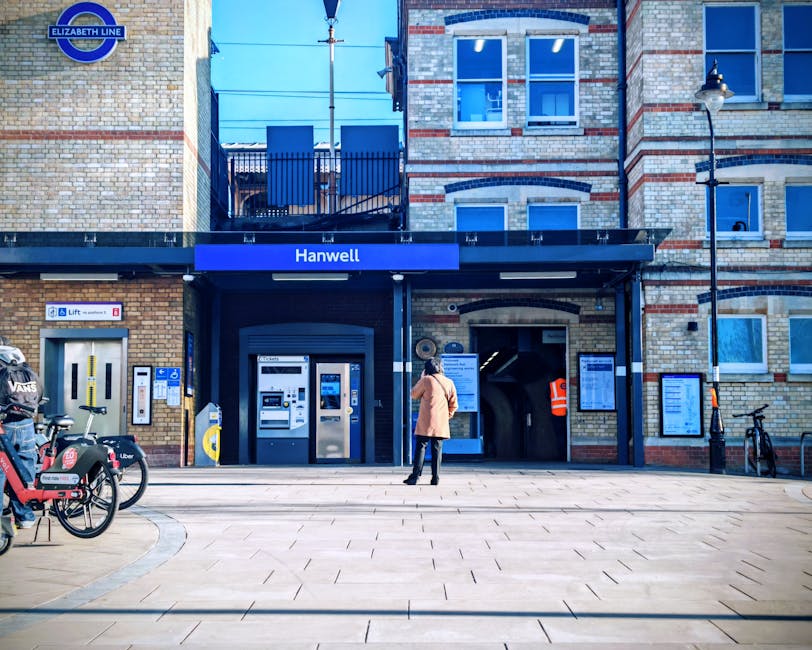




Do I need a Hackney Council permit for Shacklewell moves?
Posted on 26/06/2026
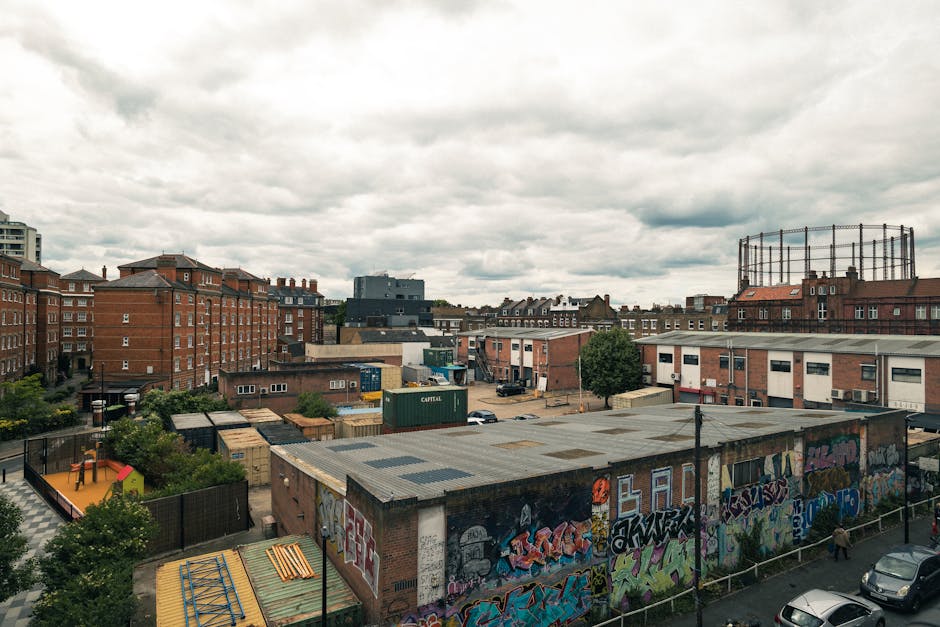
If you are planning a move in Shacklewell, this is one of those questions that can save you a lot of stress: do I need a Hackney Council permit for Shacklewell moves? The short answer is that sometimes you do, but not always. It depends on where the van will stop, how long it will stay, whether there are parking restrictions on your street, and whether the vehicle is using any controlled bays, loading areas, or suspension-sensitive space.
That sounds a bit bureaucratic, and to be fair, it is. But once you break it down, the whole thing becomes much easier to handle. In a place like Shacklewell, where streets can be tight, parking can disappear quickly, and a move can turn into a stop-start shuffle of boxes and furniture, getting the permit side right matters just as much as the packing. This guide explains what the permit question really means, how it works in practice, and what to check before moving day so you are not standing on the pavement at 8 a.m. wondering why the van is nowhere near your front door.
We will also cover the practical side: who actually needs council permission, what usually goes wrong, how to plan for loading and unloading, and what simple steps make a move calmer. If you are also trying to keep the rest of the move under control, it may help to look at keys to a relaxed and stress-free move and expert packing tips for a smoother relocation while you are here.
Why Do I need a Hackney Council permit for Shacklewell moves? Matters
The permit issue matters because a move is not just a house-to-house transfer. It is also a parking event, and parking rules in London can be unforgiving if you ignore them. In Shacklewell, even a perfectly organised move can run into problems if the van cannot legally stop close enough to the property. That means longer carrying distances, slower loading, and a much higher chance of delays. Nobody wants to drag a mattress down a narrow road twice because the vehicle had to park three minutes away.
For many people, the real cost is not the permit itself. It is the knock-on effect of not planning for it: missed time slots, frustrated neighbours, blocked access, and unnecessary pressure on the moving team. If you are using a larger vehicle or planning a full house move, this is even more relevant. A careful plan often goes hand in hand with choosing the right service, whether that is house removals in Shacklewell, flat removals, or a smaller man and van service for a lighter load.
There is also the local reality of Shacklewell streets. Some roads are straightforward, but others can be tighter than they look on a map. A van that seems "small enough" may still sit awkwardly at the kerb or need to use a bay that is already restricted. So the permit question is really a planning question. Ask it early and the rest of the day tends to behave better. Ask it too late, and the day gets noisy in a hurry.
How Do I need a Hackney Council permit for Shacklewell moves? Works
In practical terms, the answer depends on the parking conditions where the van will be during the move. If the vehicle can stop legally without causing obstruction, and without exceeding the local parking rules, you may not need a special permit. But if the van needs to use a controlled parking bay, loading bay, single yellow line at a restricted time, or any road space that is regulated by the council, then a permit or some form of permission may be required.
It helps to think in three layers:
- Is the vehicle parked legally? If not, the move is already at risk.
- Is the stop temporary for loading or unloading? Some areas allow short loading, but not everywhere and not at all times.
- Is the road space likely to be unavailable without prior arrangement? Busy streets, marked bays, and narrow sections often need planning.
For removal jobs, the van driver or removals team often checks the access details before arrival. That is why good communication matters. If you are comparing providers, a useful read is how to compare confusing removal quotes in Shacklewell, because the cheapest quote is not always the one that includes proper access planning.
Sometimes people ask whether a permit is only needed for overnight parking. Not quite. Even a daytime move can need consideration if the road is controlled. The safest approach is simple: assume parking will need checking, then work backwards from there. If the van needs to sit close to the property for any meaningful time, it is worth verifying the rules before the boxes start coming down the stairs.
Key Benefits and Practical Advantages
Getting the permit and parking side right is not just about avoiding a ticket. It can improve the whole move in ways people often underestimate.
- Less walking distance: The closer the van can park, the faster the loading and unloading.
- Lower risk of damage: Fewer long carries usually means less bumping into walls, stair rails, and door frames.
- Better time control: A move that starts on time tends to finish on time, or at least not drift into the afternoon like an overcooked Sunday roast.
- Less stress for everyone: The moving team, neighbours, and you included.
- Cleaner coordination: Parking planned in advance helps the driver, the client, and anyone helping out on move day.
There is a hidden benefit too: planning the permit question often makes you more organised overall. Once you think about access, you naturally start thinking about packing order, furniture dismantling, and whether anything needs short-term storage. If that sounds familiar, storage in Shacklewell can help when you are not moving everything in one go, and decluttering before the move can reduce the volume that needs transporting in the first place.
For local moves, good access planning can be the difference between a smooth one-trip job and a stop-start day with someone muttering, "Right, we'll have to do another run." Nobody loves that line.
Who This Is For and When It Makes Sense
This question is most important if any of the following sound like your move:
- You are moving from a flat or house on a busy Shacklewell street.
- You expect the van to park right outside or very close to the property.
- You are using a larger removal van rather than a compact vehicle.
- You are moving during a busy time of day when parking spaces are scarce.
- You live in a road with marked bays, waiting restrictions, or limited stopping options.
- You are moving bulky furniture, fragile items, or a piano and need extra time at the kerb.
It also makes sense for students and renters doing a lighter move. Even if your load is small, a short carry can still become awkward if parking is limited. A lot of people assume permit issues only matter on big house moves. Not really. A one-bedroom flat move can create just as much access trouble if the road is tight. If you are moving out of a smaller place, student removals in Shacklewell and packing and boxes support are worth looking at for a more manageable setup.
One small real-world example: a resident in a Victorian terrace may think the road looks quiet, but on moving day a couple of parked cars, a delivery van, and a skip can completely change access. That is why "looks fine" is not the same as "is fine." In moves, appearances lie a bit.
Step-by-Step Guidance
If you want the simplest way to handle the permit question, use this sequence. It is not glamorous, but it works.
- Check the exact property location. Look at the road, not just the postcode. The bay rules can change from one side of the street to the other.
- Identify where the van will stop. Is it on a single yellow line, in a bay, or on unrestricted road space? This changes everything.
- Estimate how long loading will take. Be honest. A sofa, bed frame, or several boxes of books can take more time than expected.
- Separate the move into loading and unloading needs. The origin and destination can each create parking issues.
- Check whether the van size affects parking access. A removal van and a smaller van are not the same thing.
- Confirm any council rules early. Do not leave it until the night before. That is when people begin to panic-scroll their phone at 11 p.m.
- Build in a buffer. If parking is tight, allow extra time for walking, waiting, or repositioning the vehicle.
- Tell your moving team about access details. Good movers can plan around tight streets if they know the situation in advance.
If you are arranging a larger job, it may also help to read about choosing the right removal van in Shacklewell and the broader services overview so the vehicle size matches the road conditions.
Quick rule of thumb: if you have to say "we'll probably be fine" three times, you should probably double-check the parking. That little instinct is usually trying to tell you something.
Expert Tips for Better Results
Here is where experience tends to save time.
Start with access, not boxes. Many people pack first and ask about parking later. Flip that around. Once access is clear, everything else becomes easier to stage.
Keep bulky items grouped together. If the van space is limited, the order in which items come out matters. It is much easier to load heavy items first when the van is parked properly and the route is clean.
Think about awkward items early. Pianos, oversized sofas, beds, and freezers often trigger the most delay. If you have any of these, look at specialist advice such as piano removals in Shacklewell, moving large sofas in low-ceiling flats, or bed and mattress relocation techniques.
Do not underestimate the stairs and thresholds. A move with perfect parking can still go wrong if the internal layout is awkward. If you have narrow halls or tall Victorian stairwells, you may want to review packing for narrow Victorian terraces.
Keep the day calm by reducing clutter. Less clutter means fewer trips. Fewer trips mean less chance of parking problems snowballing. It sounds simple because it is simple. That's the bit people skip.
And one more practical thing: if you are moving appliances, do not leave freezer handling until the last second. The guides on how to store a freezer properly and freezer storage techniques can prevent a lot of nuisance later.
Common Mistakes to Avoid
Most permit-related moving problems are avoidable. They usually come from rushing, guessing, or assuming the van can "just stop somewhere nearby."
- Assuming a quiet road has no restrictions. Quiet does not mean unrestricted.
- Leaving parking checks until moving day. By then, you are already under pressure.
- Booking a van that is too large for the street. Big vehicles are not always the smartest choice.
- Forgetting the destination side. People often check the old address and forget the new one.
- Overloading the schedule. If the permit or loading plan gets delayed, everything else slips too.
- Not telling helpers what the access plan is. A couple of well-meaning friends can still cause chaos if nobody has a clear route.
The most common one, honestly, is optimism. Lovely in life. Less useful in a moving van. If the road looks tight and the parking signs look complicated, trust that instinct and plan properly.
Tools, Resources and Recommendations
You do not need a truckload of equipment to plan a move well, but a few tools and resources make a real difference.
- Property measurements: Door widths, hallway bends, stair height, and lift access if relevant.
- Item list: So you know what must be carried, dismantled, or protected.
- Parking notes: A quick written note of where the van can stop at both addresses.
- Box labels: This sounds basic, but it saves time when unloading into a new place.
- Removal team guidance: A good mover should ask about access, not just the number of boxes.
If you need help deciding what level of support is right, browse removals in Shacklewell, removal services in Shacklewell, and removal companies in Shacklewell to compare the sort of support available. For speedier jobs, same-day removals can be useful when timing is tight, though access planning still matters just the same.
If you want to understand how a local team presents itself and what kind of service approach it takes, the about us page can be helpful. And if you have a specific question about your street, it is usually best to speak directly via the contact page rather than guessing from a map.
Law, Compliance, Standards, or Best Practice
Parking and moving in London sit within a wider framework of local traffic rules, loading restrictions, and council-controlled highway management. That means the safest approach is to treat access as a compliance issue, not a guesswork issue. If your move involves stopping in a restricted bay, blocking access, or using an area where waiting is controlled, there may be conditions attached. Those conditions can vary, so it is sensible to check them before the van arrives.
Best practice in removals is straightforward:
- Confirm access details before the booking is finalised.
- Match the vehicle to the street, not the other way around.
- Allow extra time for loading if the road is tight.
- Avoid obstructing pavements, junctions, or driveways.
- Protect neighbours' access and keep the move as tidy as possible.
This is not just a legal or administrative concern. It is a safety one. The more controlled the vehicle stop, the less likely you are to rush carrying heavy items across awkward distances. If you want a deeper look at safe handling and moving standards, insurance and safety and the health and safety policy are useful places to understand how a careful removals process should feel.
And yes, there is also the simple etiquette side. Residents, delivery drivers, and pedestrians all have to share the same streets. If your move is planned well, everyone notices less. Which is usually the goal, really.
Options, Methods, or Comparison Table
If you are trying to decide how to handle a Shacklewell move, the main choices usually come down to the size of the vehicle, the amount of planning needed, and how much access risk you are willing to tolerate. Here is a practical comparison.
| Option | Best for | Pros | Watch-outs |
|---|---|---|---|
| Small man and van | Lighter loads, flexible access, shorter moves | Easier to park, often simpler on narrow streets | May require multiple trips if the load is larger than expected |
| Removal van | Full house or flat moves, bulky furniture, larger loads | More space, fewer trips, better for organised loading | Harder to position on tight streets without careful planning |
| Pre-planned removals service | Moves with access issues, heavy items, time pressure | Better coordination, less guesswork, smoother on the day | Needs early information from you to work well |
| Storage-first approach | Staggered moves or delayed completion dates | Reduces pressure and avoids rushed parking decisions | Needs extra coordination and may mean a second move later |
If your move is in a very tight road, the safer option is usually the one that reduces uncertainty, even if it is not the flashiest. In other words, simple and well-planned often beats ambitious and messy. Every time.
Case Study or Real-World Example
Imagine a small flat move in Shacklewell on a weekday morning. The tenant has boxes, a bed frame, a sofa, and a couple of appliances. At first, it seems manageable. But the road is narrow, one side has parked cars, and the closest space to the building is a restricted bay. If nobody checks the parking conditions in advance, the van may end up a long walk away, and the job becomes slower immediately.
Now imagine the same move with better planning. The access details are reviewed before the date, the van size is matched to the road, fragile items are packed properly, and the heaviest furniture is placed near the exit for quick loading. The move still takes effort, obviously, but it feels controlled. No frantic repositioning. No last-minute shouting across the pavement. Just a steady flow.
That difference is exactly why people ask about permits so often. It is not because they love parking paperwork. It is because they have learned, usually after one awkward move, that access shapes the whole day. And once you see that clearly, the rest falls into place more easily.
Practical Checklist
Use this before move day. A quick run-through here can save a lot of bother later.
- Confirm both addresses and the exact street layout.
- Check where the van can legally stop at each end.
- Ask whether a permit, loading arrangement, or parking adjustment is needed.
- Match the van size to the road conditions.
- Measure any awkward furniture in advance.
- Label boxes by room and fragility.
- Prepare a clear route from door to van.
- Tell your movers about staircases, lifts, or tight turns.
- Set aside time for dismantling and reassembly.
- Keep essentials separate so they do not vanish into the moving chaos.
- Plan for waste, recycling, or unwanted items after the move.
- Have a backup plan if parking turns out worse than expected.
If you need help with what to keep, what to move, and what to let go, the bulky waste after a Shacklewell move guide is a practical read. A little decluttering upfront can make the permit and parking question far less painful.
Get a free quote today and see how much you can save.
Conclusion
So, do you need a Hackney Council permit for Shacklewell moves? Sometimes, yes. Sometimes, no. The real answer depends on the exact street, the parking restrictions in place, the size of the vehicle, and how long the van needs to stay near the property. That is why the smartest thing you can do is treat parking as part of the move plan, not as an afterthought.
If you get the access question right early, the rest of the move usually feels lighter. Boxes move faster, heavy items are easier to handle, and the day has a much better rhythm. Truth be told, that rhythm matters more than people expect. A calm move is not luck. It is usually just good preparation, plus a bit of common sense, and maybe one less box than you thought you needed to bring.
And if you are still unsure about your setup, it is worth speaking to a local removals team before the date gets close. A quick conversation now can spare you a very unglamorous headache later. Sometimes that is all it takes.