




Shacklewell Removals: Navigating Dalston Kingsland Overground
Posted on 28/04/2026
If you are planning a move in Shacklewell and need to work around Dalston Kingsland Overground, you already know the challenge is not just the boxes. It is the timing, the side streets, the loading bay question, the narrow access, and the simple fact that London does not always make moving day easy. This guide to Shacklewell Removals: Navigating Dalston Kingsland Overground is designed to help you plan sensibly, avoid common mistakes, and understand what a smooth local move actually looks like in practice.
Whether you are moving from a flat, a family home, a student property, or a small office, the route, parking, and building access around Dalston Kingsland can affect everything. A good plan cuts stress, protects your belongings, and keeps the day moving. A poor one turns a straightforward move into a long, expensive shuffle. Let's make sure you end up in the first category.
Why Shacklewell Removals: Navigating Dalston Kingsland Overground Matters
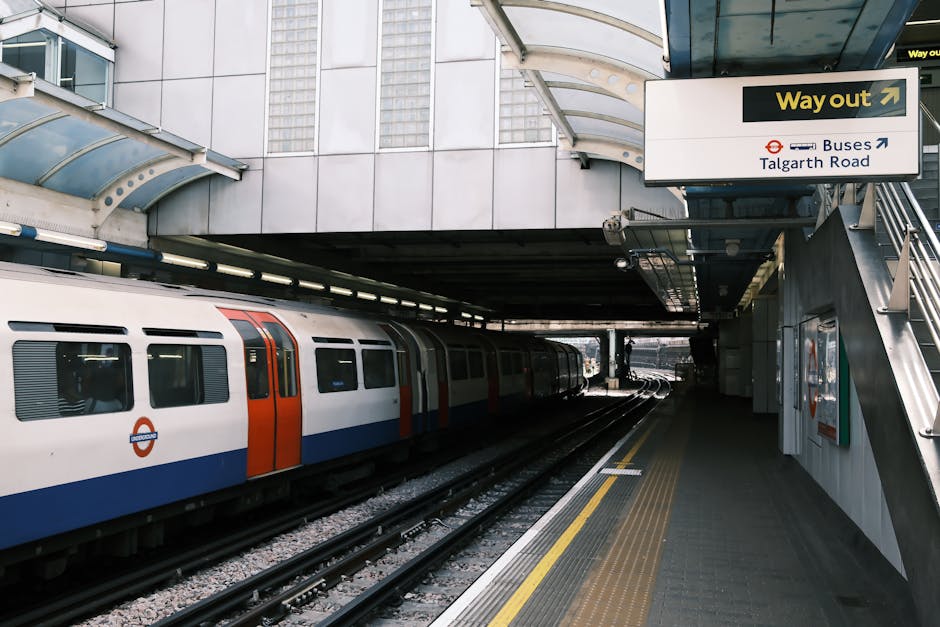
Shacklewell sits in a part of East London where everyday movement can be straightforward in theory and awkward in practice. Dalston Kingsland Overground brings a lot of useful connectivity, but it also means busier roads, pedestrian flow, rail-adjacent timing issues, and more pressure on nearby curb space. That matters if your removal van needs to stop close to the property, if lift access is limited, or if you are moving bulky items such as wardrobes, sofas, or pianos.
For local moves, route planning is not a nice extra. It is often the difference between a tidy load and a rushed one. In neighbourhoods like Shacklewell, the working assumption should be that access will be tighter than you expect. That means checking the address properly, identifying where the van can wait, and thinking through how items will move from front door to vehicle without blocking foot traffic or taking unnecessary risks.
This is also why local knowledge matters. Someone who understands the streets around Dalston Kingsland Overground will usually spot things that an out-of-area mover might miss: timed loading restrictions, one-way patterns, awkward corners, shared entrances, and the small but very real problem of "the van can get there, but it cannot sit there for long."
If you are still at the comparison stage, it can help to read broader service guidance first, such as the services overview or the dedicated removals support page. If your move involves a flat or smaller property, the practical logic is similar to what you would consider with flat removals or man and van hire elsewhere in London.
How Shacklewell Removals: Navigating Dalston Kingsland Overground Works
A well-run local removal near Dalston Kingsland Overground follows a simple pattern, but each stage needs attention.
1. Assess access before the move
Start with the basics: where is the property, how wide is the access, is there a lift, are there stairs, and where can a van sensibly stop? If the move includes a shared entrance or rear access, confirm how keys, codes, and timing will work. In London, a five-minute access issue can easily become a thirty-minute delay if nobody checks it ahead of time.
2. Match the vehicle to the job
Not every move needs a large lorry. In many Shacklewell moves, a suitably sized removal van is the best fit because it balances capacity with manoeuvrability. Around Dalston Kingsland, a smaller or mid-sized vehicle can be easier to position safely than a larger one, especially on streets with limited waiting room.
3. Plan the load order
Good moving teams do not just "put things on the van." They load in a sequence that protects fragile items and makes unloading efficient. Large items usually go first, then lighter stacked boxes, then awkward or high-value items placed where they will not shift. If you have ever seen a sofa packed on top of box towers, you already know why this matters.
4. Use timing intelligently
Moving near a busy Overground station means timing can improve the whole day. Off-peak windows, quieter roads, and a sensible arrival slot help reduce pressure. The aim is not to chase a perfect moment; it is to avoid preventable bottlenecks when the street is busy and everyone else is also trying to get somewhere.
5. Communicate clearly on the day
Good moves depend on quick, accurate communication. The driver needs to know if parking changes. The property contact needs to know when the crew is arriving. If there is a last-minute issue, it should be raised early rather than after everyone is already carrying a mattress down the stairs.
For readers wanting a broader, calmer overview of how to structure a moving day, the stress-free house move roadmap and smart packing techniques guide are useful companion reads. If you are dealing with smaller, fast-turnaround moves, local same-day support can also be a sensible fallback through same-day removals.
Key Benefits and Practical Advantages
The main advantage of planning a move around Dalston Kingsland Overground properly is control. You reduce uncertainty, and once uncertainty drops, the whole operation gets easier. That sounds simple, but in removals, simple is valuable.
- Less waiting time: better route and access planning means the van spends less time circling or idle.
- Lower handling risk: fewer rushed lifts and fewer awkward carries mean less chance of damage.
- Better schedule accuracy: a well-timed local move is more likely to stay on track.
- Reduced stress for residents and neighbours: clear access and sensible parking are easier on everyone.
- Improved protection for fragile items: when crews are not hurrying, they can pack and load carefully.
There is also a quiet financial benefit. Delays, extra labour, and last-minute workarounds can all add pressure to a move. You may not see that on a single line item, but you will feel it in the day's pace. A clean plan is usually the cheaper plan in the end.
If your move includes specialist items, it is wise to use pages designed for those services rather than guessing. For example, heavy instruments should be handled through piano removals, while larger household items may benefit from dedicated furniture removals. For those comparing a general service against more specific support, the difference is often in the preparation, not just the van.
Who This Is For and When It Makes Sense
This kind of local removals planning is useful for a wide range of people, but it is especially relevant if any of the following sound familiar:
- You are moving to or from a flat near Dalston Kingsland Overground.
- You need to manage stairs, narrow entrances, or shared access.
- You have a time-sensitive handover and cannot afford long delays.
- You are moving a mix of household furniture and boxed belongings.
- You have one or two large items that need more care than a casual DIY move.
- You need a flexible solution rather than a full-scale logistics operation.
Students often fall into this category because their moves tend to be compact but time-sensitive. A dedicated student removals service can be a practical fit if you are moving between term-time accommodation and a new address. Equally, if you are shifting out of a larger property, house removals may be the better route.
If you are a business owner or office manager, the same location-based thinking applies. Offices near transport hubs can be awkward for loading if no one plans the arrival window carefully. In that case, office removals are usually worth considering early rather than treating them as a last-minute add-on.
Step-by-Step Guidance
Here is a practical sequence you can follow to keep a move around Dalston Kingsland Overground under control.
- Confirm the moving date and access details. Check property keys, floor level, lift use, and any time restrictions.
- Map the route and stopping point. Identify where the van can realistically load and unload without causing problems.
- Sort and declutter. The less you move, the easier and cheaper the day tends to be. This is a good moment to use the advice in organising and decluttering for a hassle-free move.
- Pack by room and weight. Put heavy items in smaller boxes and clearly label anything fragile or urgent.
- Prepare specialist items early. Freeze instructions, mattress covers, wardrobe protection, and item disassembly should be done in advance.
- Keep essentials separate. Documents, chargers, medications, keys, and a first-night bag should stay with you.
- On arrival, do a quick walkthrough. Show the team the property layout, fragile items, and any access concerns.
- Load with priority in mind. Everyday boxes and furniture should not trap the items you need first at the new address.
- Check the destination before unloading. If a lift is too small, a staircase is tight, or the van cannot stop where expected, adapt quickly rather than forcing the issue.
- Finish with a final sweep. This is the moment to check cupboards, loft spaces, under beds, and utility areas.
For deeper packing help, it is worth looking at expert packing techniques and the practical guidance in packing and boxes support. If you are moving beds or mattresses, use the dedicated bed and mattress moving tips rather than improvising with tape and optimism.
Expert Tips for Better Results
A few small choices make a surprisingly big difference in local removals.
Protect access as much as possessions
People often focus entirely on wrapping furniture, which is sensible, but access matters just as much. Door frames, stair rails, communal walls, and hallway corners are easy to scuff. Use blankets, corner protection, and sensible carrying technique. It is not glamorous, but it saves hassle.
Keep the load balanced
A van that is badly loaded can shift under braking, and that is never ideal. Heavy items should be positioned to stay stable, not just to fill space. If something rolls, rattles, or leans, it needs to be secured before the van moves again.
Disassemble what should be disassembled
Wardrobes, bed frames, table legs, and some shelving units are usually easier and safer to move in parts. You do not need to dismantle everything. You do need to avoid forcing oversized furniture through tight spaces and then regretting the scratch marks later.
Use the right protection for the item
Blankets, mattress bags, stretch wrap, bubble wrap, and taped dust protection each have different jobs. A sofa should not be wrapped the same way as a freezer, and a freezer should not be treated like a box of books. For cold storage advice, the articles on freezer storage when unused and storing a freezer properly are useful references.
Ask for clarity rather than assuming
If you are not sure whether an item needs specialist handling, ask. That simple habit can prevent damage. Truth be told, many moving problems start with the phrase, "It should be fine."
Common Mistakes to Avoid
Local removals around a station area are rarely ruined by one huge error. More often, they unravel through several small ones.
- Ignoring parking and stopping space: assuming there will be room on the day is risky.
- Packing too late: unfinished packing always creates pressure, and pressure creates mistakes.
- Using oversized boxes: heavy items in large boxes are awkward and unsafe to lift.
- Skipping labels: if everything looks the same, unloading becomes slower and more frustrating.
- Not checking fragile items twice: mirrors, glass, monitors, and electronics need proper protection.
- Leaving cleaning too late: a last-minute clean-up is harder than most people expect. The step-by-step guide to cleaning before moving can help.
- Trying to lift too much alone: asking one person to carry what really needs two is a common route to injury and damage.
If you are dealing with a heavy item and wondering whether you can manage it yourself, read the practical guidance on lifting heavy loads safely. For some items, the honest answer is simple: do not wing it.
Tools, Resources and Recommendations
You do not need a mountain of gear to move well, but the right tools make the work safer and cleaner.
| Item | What it helps with | Why it matters |
|---|---|---|
| Furniture blankets | Protecting large items and door frames | Reduces scuffs and impact damage |
| Ratchet straps or securing ties | Stabilising the van load | Keeps items from shifting in transit |
| Mattress bags | Keeping mattresses clean | Helps with hygiene and handling |
| Strong tape and labels | Box closure and organisation | Makes rooms easier to sort on arrival |
| Trolley or sack truck | Moving heavier boxes and appliances | Reduces strain and speeds up loading |
Alongside physical tools, the most useful resource is often planning. A move becomes easier once you know what is going where, what needs specialist handling, and what can be left until last. If you are comparing service levels, review the provider's removal services, check the pricing and quotes information, and make sure the support matches the move you actually have, not the one you wish you had.
It can also help to review trust pages before booking. The insurance and safety page, along with the health and safety policy, can tell you a lot about how seriously a company treats the basics. That matters more than shiny marketing copy.
Law, Compliance, Standards, or Best Practice
Removals are not usually complicated from a legal standpoint, but they do involve practical duties of care. If a move involves public streets, shared entrances, or loading near station traffic, the team should operate in a way that is safe for residents, pedestrians, and road users. That means sensible parking, manual handling awareness, and careful attention to property access.
In the UK, manual handling best practice is a real issue in moving work. Heavy lifting, awkward carrying angles, stairs, and repetitive loads all increase the chance of injury if they are not managed properly. Good movers use teamwork, equipment, and planning to reduce that risk rather than relying on brute force. If a company can explain how it handles these things, that is a positive sign.
From a customer point of view, it is also sensible to check standard operational pages before booking. Policies such as terms and conditions, privacy policy, cookie policy, and complaints procedure give you useful background on how the business handles bookings, data, and service issues. They are not exciting reads, admittedly, but they are part of a proper due-diligence check.
If sustainability matters to you, you may also want to look at the company's approach to waste and reuse. A page like recycling and sustainability can help you understand how unwanted items and packing materials may be managed responsibly.
Options, Methods, or Comparison Table
Not every move near Dalston Kingsland Overground needs the same level of service. The right option depends on property type, item volume, timing, and access.
| Option | Best for | Strengths | Trade-offs |
|---|---|---|---|
| Man and van | Smaller moves, partial loads, flexible timing | Agile, practical, often ideal for local streets | Less suited to large or complex house moves |
| Removal van | Medium-sized household loads | Better capacity and organised loading space | May still need careful parking planning |
| Full removals service | Whole-home moves and larger jobs | More comprehensive support, less stress | Usually more preparation and coordination needed |
| Specialist item transport | Pianos, large furniture, fragile or awkward items | Tailored handling and lower damage risk | Requires clear briefing and may involve extra planning |
For many Shacklewell customers, the best fit is somewhere between a simple van hire and a full-scale move. That is why local service pages matter. If you are weighing up a straightforward route, the man with a van option may suit. If you need something more structured, removal company support is usually the better comparison point.
Case Study or Real-World Example
Consider a typical local move: a two-bedroom flat in Shacklewell, a short walk from Dalston Kingsland Overground, with a sofa, dining table, mattress, several boxes, and one awkward bookcase that looks innocent until you try to turn it in a hallway.
The successful version of this move usually starts the day before. Boxes are labelled by room. Large furniture is partly disassembled. The van is booked with enough space for the main load, but not so large that parking becomes a struggle. The route to the property is checked so the team knows whether the nearest stop is practical or whether a slightly longer carry would actually be quicker overall.
On moving day, the crew arrives, confirms the access route, protects the entrance, and loads the heaviest items first. The mattress goes in a clean cover. Fragile boxes are grouped together. The bookcase is padded so it does not chip against the sofa. When the van arrives at the new place, the unloading order is based on where things need to end up, not just on what was easiest to grab first.
The result is not dramatic. And that is the point. Good removals often look boring from the outside because everything runs as it should. No panic. No damage. No frantic search for the kettle. Just a move that does its job.
Practical Checklist
Use this checklist in the final 48 hours before moving.
- Confirm moving date, time, and contact numbers.
- Check parking and van access near the property.
- Label all boxes by room and priority.
- Pack a first-night bag with essentials.
- Protect fragile items with suitable wrapping.
- Disassemble furniture where needed.
- Empty and defrost appliances in good time if required.
- Reserve specialist handling for heavy or awkward items.
- Keep keys, documents, and chargers separate from the main load.
- Walk through every room before departure.
- Inspect the new property before unloading begins.
- Review any service details, including about the company information and the main contact page if you need to confirm last-minute details.
Expert summary: The smoothest Shacklewell move is rarely the one with the biggest vehicle; it is the one with the best access plan, the clearest packing, and the least guesswork.
Conclusion
Moving in Shacklewell near Dalston Kingsland Overground is perfectly manageable when you treat access, timing, and load planning as part of the move itself rather than as afterthoughts. That mindset helps you avoid the most common frustrations: parking delays, awkward carries, damaged furniture, and the creeping sense that the day is running you instead of the other way around.
If you take one thing away from this guide, let it be this: a local move gets easier when you respect the local realities. Check the route. Confirm the access. Pack properly. Use the right service for the job. Then, whether you are moving a studio flat, a family house, or just a few bulky pieces, the process becomes far more predictable.
Get a free quote today and see how much you can save.